
Homeowners often look for simple ways to improve comfort and style without replacing their entire floor. One question that frequently comes up during renovation projects is can you lay carpet over laminate flooring. Since laminate flooring is widely used in modern homes for its durability and cost-effectiveness, many people consider adding carpet on top for warmth, noise reduction, or aesthetic changes. While it may sound like a quick solution, the reality is more complex. Laminate flooring is designed as a floating floor system, meaning the planks are not permanently attached to the subfloor.
This unique structure affects how other flooring materials, such as carpet padding, underlay, or tack strips, interact with it. Understanding the installation process, potential risks, and best practices is essential before deciding whether can you lay carpet over laminate flooring is the right choice for your home. In this guide, we’ll explore expert advice, benefits, drawbacks, and the safest installation methods.
Can You Lay Carpet Over Laminate Flooring?
The short answer is yes, technically, can you lay carpet over laminate flooring is possible. However, flooring professionals often recommend caution before choosing this approach. Laminate flooring is designed to function as a floating floor, which means the planks are connected through an interlocking system rather than being fixed directly to the subfloor. Because of this design, the surface can expand, contract, and slightly move as temperature and humidity levels change. When carpet is installed over a floating surface, the stability of the entire flooring system may be affected.
Carpet typically relies on tack strips, adhesives, or tension from tools like a knee kicker to stay in place. If the base layer moves underneath, the carpet can develop wrinkles, uneven spots, or premature wear. Although some homeowners choose this method as a temporary solution, experts suggest carefully evaluating the condition of the laminate planks, the expansion gaps, and the room layout before proceeding with installation.
How Laminate Flooring Works?
To fully understand whether can you lay carpet over laminate flooring, it’s important to know how laminate flooring is designed. Unlike traditional flooring materials that are glued or nailed down, laminate typically functions as a floating floor system. The laminate planks connect through a click-lock mechanism that allows them to sit securely on top of the subfloor without being permanently attached. One key feature of laminate installation is the expansion gap around the edges of the room.
This small gap allows the flooring to expand and contract when temperature or humidity levels change. The gap is usually hidden beneath skirting boards, giving the floor a clean finish while maintaining flexibility. Because the flooring is free to move slightly, any additional layer, such as carpet, carpet underlay, or padding, can influence how the laminate behaves. If too much pressure is placed on the surface, it may restrict movement and lead to uneven areas or stress on the flooring system.
Is It Safe to Put Carpet on Laminate Flooring?
Many homeowners ask whether is it safe to put carpet on laminate flooring when trying to add warmth or comfort to a room. While installing carpet on top of laminate flooring is technically possible, safety and durability depend on several important factors. People often researching can you lay carpet over laminate flooring should understand how laminate behaves before adding another flooring layer. Because laminate acts as a floating floor, it naturally shifts slightly with changes in humidity and temperature. When carpet is placed over it, this movement can sometimes lead to instability in the top layer. Another concern involves the installation method.
Professional carpet fitting typically uses tack strips, adhesives, or stretching tools to secure the carpet. These can damage laminate planks if not handled carefully. In addition, moisture trapped between carpet underlay and laminate may increase the risk of swelling or long-term damage. For these reasons, many flooring experts suggest evaluating the floor condition, room usage, and installation method before deciding whether layering carpet over laminate is the safest option when considering can you lay carpet over laminate flooring.
Pros and Cons of Carpet Over Laminate Flooring
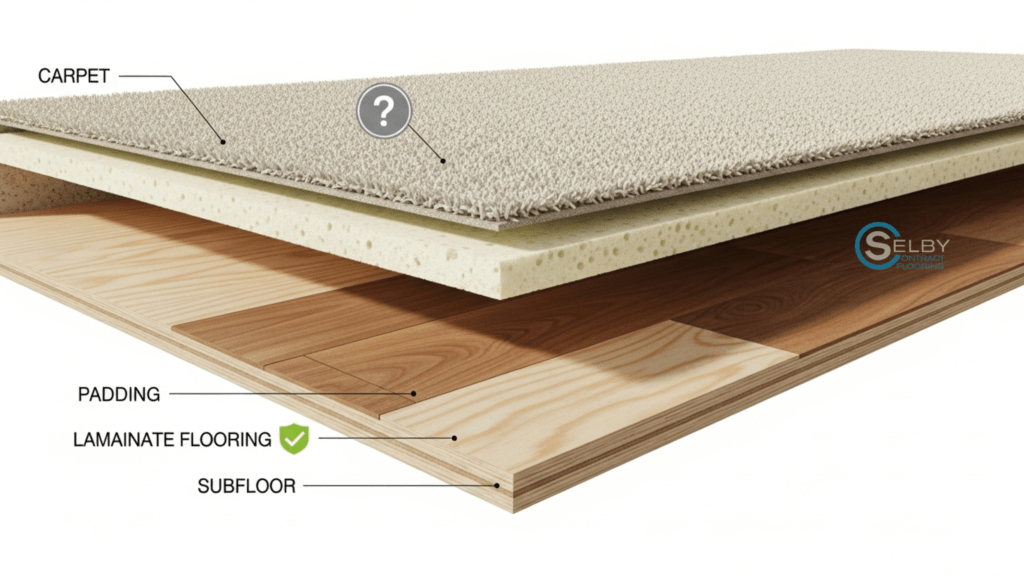
When considering pros and cons of carpet over laminate flooring, it’s helpful to evaluate both the benefits and the potential drawbacks before making a decision. Many homeowners researching can you lay carpet over laminate flooring are looking for a simple way to update their space without removing the existing floor. Some homeowners choose this approach because it offers a quick way to change the feel of a room without removing existing laminate flooring. Adding carpet can increase comfort underfoot, improve insulation, and reduce noise in busy households. In spaces like bedrooms or living rooms, the softer surface may create a warmer and more inviting environment. However, there are several disadvantages to consider when deciding can you lay carpet over laminate flooring in your home.
Pros of Carpet Over Laminate Flooring
Improved Comfort Underfoot
One of the main reasons homeowners consider installing carpet over laminate flooring is the added comfort it provides. Carpet creates a softer surface that feels warmer and more comfortable, especially in areas like bedrooms or family rooms where people walk barefoot or sit on the floor.
Better Insulation and Warmth
Carpet can improve thermal insulation within a room. When installed with a quality carpet underlay, it helps retain heat and makes spaces feel warmer during colder months, which can contribute to improved indoor comfort.
Noise Reduction
Hard flooring surfaces such as laminate can sometimes amplify sound. Adding carpet helps absorb noise from footsteps, furniture movement, and daily activity, making the room quieter and more relaxing.
Quick Style Update
Installing carpet over existing laminate can provide a fast aesthetic upgrade. For homeowners wondering can you lay carpet over laminate flooring without a full renovation, this option may offer a quicker design update while keeping the original flooring underneath.
Cons of Carpet Over Laminate Flooring
Increased Floor Height
One of the biggest drawbacks is the additional floor height created by installing carpet and padding over laminate. This can affect door clearance, thresholds, and transitions between rooms with different flooring types.
Movement of the Floating Floor
Since laminate flooring is designed as a floating floor, it naturally shifts slightly with temperature and humidity changes. When carpet is installed above it, this movement can cause the carpet to wrinkle or become uneven over time.
Risk of Damage to Laminate
Installing carpet often requires tack strips, adhesives, or stretching tools. These installation methods may damage the laminate surface or leave marks if the carpet is later removed.
Reduced Flooring Lifespan
Because laminate is not fixed to the subfloor, the added pressure of carpet and padding can sometimes increase wear on both materials. Over time, this may shorten the lifespan of the flooring system.
By understanding these advantages and disadvantages, homeowners can make a more informed decision about whether installing carpet over laminate will meet their comfort, durability, and design expectations.
Do You Need Underlay for Carpet Over Laminate?
When planning carpet installation, many homeowners ask do you need underlay for carpet over laminate while researching if you can lay carpet over laminate flooring. In most cases, using carpet underlay is highly recommended because it improves comfort, insulation, and overall flooring performance. Underlay acts as a cushioning layer between the carpet and the laminate flooring, helping distribute weight more evenly across the surface when homeowners decide can you lay carpet over laminate flooring as part of their flooring solution.
Quality underlay can also reduce noise and provide additional thermal insulation, making rooms feel warmer and quieter. Materials such as foam underlay, rubber underlay, and felt underlay are commonly used depending on the room’s traffic level and comfort requirements. However, the thickness of the underlay should be carefully selected. If it is too thick, it may restrict the natural movement of the floating floor system beneath it. Choosing the right underlay ensures the carpet remains stable while protecting the laminate surface, especially when considering can you lay carpet over laminate flooring in a home renovation project.
How to Install Carpet Over Laminate Flooring?
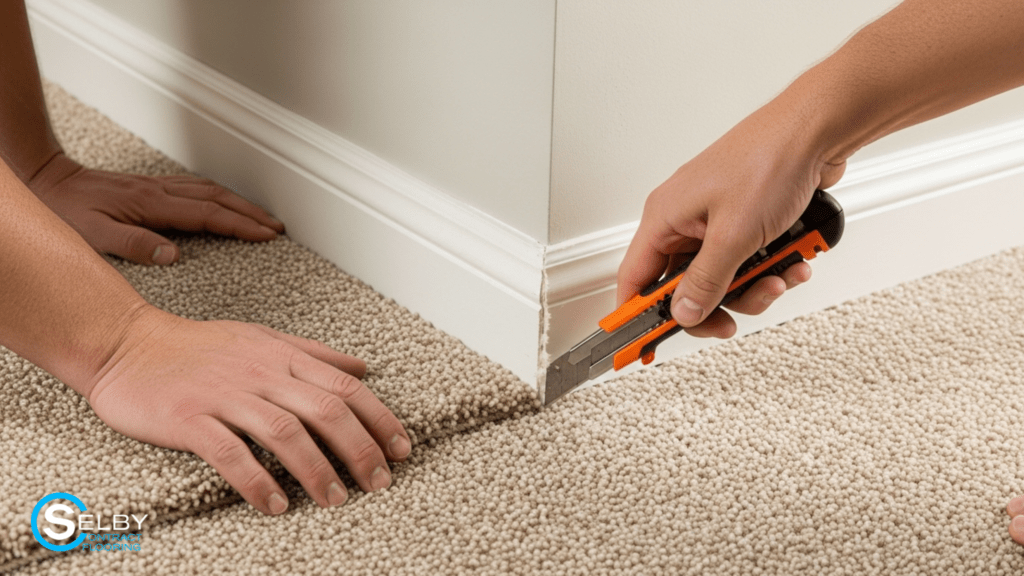
Understanding how to install carpet over laminate flooring properly is essential if you decide to keep the existing laminate flooring in place. Many homeowners researching can you lay carpet over laminate flooring want to know the correct steps to avoid damaging the floor underneath. The first step is inspecting the floor carefully. Check that the laminate planks are secure, flat, and free from warping or damage. Any uneven sections should be repaired to create a smooth surface before installing carpet. Next, thoroughly clean the floor by vacuuming and removing dust or debris.
A clean surface helps the carpet underlay sit evenly and prevents trapped dirt from causing bumps. After preparation, roll out the underlay across the room and ensure it lies flat without wrinkles. Once the underlay is installed, position the carpet and trim the edges using a utility knife. Professional installers often use tools such as a knee kicker and carpet roller to stretch the carpet evenly and remove wrinkles, ensuring a smooth and secure finish when installing carpet over laminate flooring.
Common Problems When Installing Carpet
Even when homeowners decide that can you lay carpet over laminate flooring works for their situation, several issues can appear during or after installation. One common problem is carpet movement. Since laminate flooring sits as a floating floor system, slight shifting underneath may cause the carpet above to loosen, creating wrinkles or uneven areas over time. Another challenge is trapped moisture.
If carpet underlay is installed without proper airflow, moisture can become trapped between the layers. This may lead to swelling in the laminate planks or unpleasant odors developing beneath the flooring. Floor height is another frequent concern. Adding carpet and padding can raise the floor level enough to affect door clearance or transitions to nearby rooms.
Is Removing Laminate Flooring Better?
For many flooring professionals, removing laminate flooring before installing carpet is often the better long-term solution. Although homeowners sometimes search can you lay carpet over laminate flooring as a quick alternative, removing the laminate allows the carpet to be fitted directly onto the subfloor, which creates a more stable and durable foundation.
When carpet is installed on a solid base, installers can properly secure tack strips around the perimeter and stretch the carpet evenly using professional tools. This ensures the carpet stays tight and smooth without shifting or developing wrinkles. For homeowners still wondering can you lay carpet over laminate flooring, it’s important to remember that removing the laminate first usually results in a stronger and longer-lasting carpet installation.
Expert Flooring Advice for Homeowners
Before deciding whether can you lay carpet over laminate flooring is the right solution, it’s helpful to consider the overall condition of your laminate flooring and how the room is used. Flooring choices should always balance comfort, durability, and practicality. While carpet can add warmth and softness, the structure of laminate floors means installation must be approached carefully. Homeowners should first inspect the floating floor system for loose laminate planks, gaps, or uneven areas. Consulting professional flooring installers can help ensure the right decision is made and provide expert guidance on the best flooring solution.
Final Verdict
So, can you lay carpet over laminate flooring? The simple answer is yes, but it is not always the most practical or long-lasting solution. While installing carpet over laminate flooring can provide extra comfort, warmth, and sound insulation, the floating design of laminate means the flooring underneath may still move slightly over time. For homeowners seeking the most reliable results, removing laminate before installing carpet is often recommended. However, if done carefully with proper preparation and underlay, placing carpet over laminate can still work as a temporary or budget-friendly flooring solution.
Frequently Asked Questions
Can you put carpet over laminate flooring directly over laminate flooring?
Yes, it is technically possible to place carpet over laminate flooring, but it is not always recommended by flooring professionals. Laminate works as a floating floor system, meaning it is not fixed to the subfloor. Because of this design, the surface can move slightly over time. When carpet is placed on top, that movement may lead to wrinkles, uneven areas, or reduced durability of the carpet. For best results, many installers suggest removing the laminate first.
Will carpet damage laminate flooring?
In some cases, installing carpet can damage laminate planks, especially if tack strips, nails, or adhesives are used during installation. These fastening methods may leave permanent marks or holes in the laminate surface. In addition, moisture trapped beneath carpet underlay can potentially affect laminate boards over time if ventilation is poor.
What should go between carpet and laminate flooring?
A quality carpet underlay should be placed between the carpet and laminate flooring. Underlay provides cushioning, helps distribute weight evenly, and improves insulation. Materials like foam underlay or rubber underlay are commonly used because they enhance comfort while also reducing noise within the room.
Can carpet be removed later without damaging laminate?
If carpet is installed without adhesives or nails, it may sometimes be removed without causing damage to the laminate flooring underneath. However, if tack strips or glue are used during installation, the laminate surface may show visible damage when the carpet is removed.
Is removing laminate better before installing carpet?
In most situations, removing laminate flooring first allows carpet to be installed directly on the subfloor, creating a more stable and professional finish. This approach also helps avoid issues related to floor height, carpet movement, and long-term durability.