
Choosing the right flooring is one of the most important decisions when designing or renovating a house. Because flooring covers a large surface area and remains in place for many years, making the wrong choice can lead to expensive replacements and unnecessary repairs. Understanding how to choose flooring for your home helps homeowners avoid these costly mistakes while creating a space that is both stylish and practical. Flooring influences the comfort, durability, and overall atmosphere of a room.
Materials such as wood flooring, vinyl flooring, laminate flooring, and tile flooring all offer different advantages depending on lifestyle and design preferences. From floor colour and texture to maintenance requirements and daily foot traffic, several factors shape the final decision. This flooring guide for homeowners explains the essential considerations and practical steps needed to confidently decide on it.
Why Flooring Choice Matters?
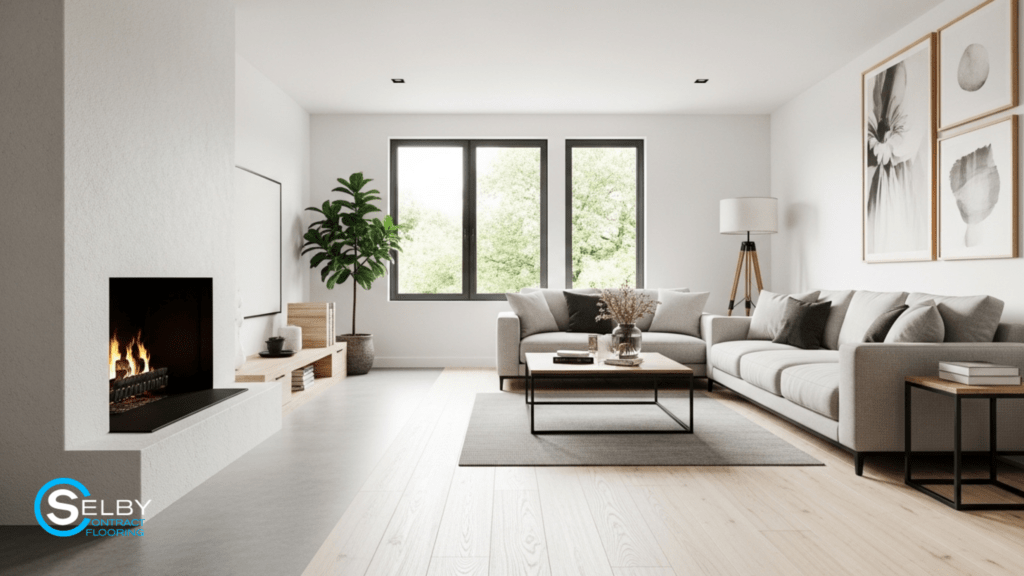
Understanding how to choose flooring for your home starts with recognising the important role a floor plays in both design and functionality. Flooring acts as the foundation of a room, connecting elements such as walls, ceiling, lighting, and furniture into one cohesive space. The choice of floor surface, texture, and colour tone can dramatically influence how large, bright, or warm a room feels. Beyond appearance, flooring must also perform well under everyday use.
Areas with heavy foot traffic require materials that can resist wear and tear, while rooms exposed to moisture need surfaces with strong water resistance. Choosing the wrong material for the wrong environment often leads to damage and costly repairs. By understanding how flooring interacts with interior décor, lighting, and daily activity, homeowners can make better decisions when planning how to choose flooring for their home.
Key Factors Before Choosing Flooring
Before deciding how to choose flooring for your home, it is important to evaluate the practical conditions each room will experience. Understanding the factors to consider when choosing flooring helps homeowners avoid selecting materials that may not perform well over time. Rooms such as kitchens and hallways often experience heavy foot traffic, while bathrooms and laundry areas are exposed to moisture and potential spills. Durability is another key consideration. Floors must resist scratches, stains, and general wear and tear caused by daily activities.
Room Usage and Foot Traffic
One of the first things to evaluate when deciding how to choose flooring for your home is how each room will be used. Areas such as hallways, living rooms, and kitchens usually experience high foot traffic, which means the flooring must withstand frequent movement and daily activity. In these spaces, materials with strong surface durability are essential to prevent visible damage over time.
For example, vinyl flooring, laminate flooring, and tile flooring are commonly chosen for busy areas because they offer excellent resistance to scratches, dents, and everyday wear. Bedrooms or guest rooms may experience less traffic, allowing homeowners to focus more on comfort and appearance rather than extreme durability. Understanding how each space is used helps homeowners choose flooring that performs well in the long term while supporting their lifestyle needs.
Moisture and Environmental Conditions
Moisture exposure is another critical factor when determining how to choose flooring for your home. Some rooms, such as bathrooms, kitchens, and laundry areas, are more likely to experience water spills, humidity, or condensation. Flooring installed in these spaces must have strong water resistance to prevent warping, staining, or long-term damage.
Materials like vinyl flooring, luxury vinyl tiles (LVT), and certain types of tile flooring perform well in moisture-prone environments because they are designed to resist water penetration. In contrast, natural materials like hardwood flooring may require extra protection or sealing when installed in areas with humidity. Considering environmental conditions such as temperature changes, humidity levels, and moisture exposure helps homeowners select flooring that remains stable and durable over time.
Durability and Surface Protection
Durability plays a major role when evaluating how to choose flooring for your home, especially in households with children, pets, or frequent visitors. Flooring must be able to handle daily wear and tear, furniture movement, and occasional impacts without quickly showing damage. Choosing materials with strong scratch resistance and protective surfaces helps preserve the floor’s appearance for many years.
Many modern flooring options include protective layers designed to increase durability. For example, laminate flooring often features a tough wear layer, while luxury vinyl tiles are engineered to resist dents and stains. Engineered wood flooring also offers improved stability compared to traditional solid wood. By focusing on durability and surface protection, homeowners can ensure their flooring continues to perform well even in busy living spaces.
Maintenance and Cleaning Requirements
Maintenance requirements should also be considered carefully when deciding on flooring for your home. Some flooring materials require more regular care than others, which can affect how practical they are for everyday use. For instance, hardwood flooring may need periodic refinishing to restore its surface, while certain natural materials may require specialised cleaning products.
In contrast, vinyl flooring, laminate flooring, and many tile flooring products are designed for easy cleaning and minimal upkeep. These materials usually require simple sweeping and occasional mopping to maintain their appearance. Homes with busy schedules or large families often benefit from flooring that offers low maintenance and reliable surface protection. Understanding cleaning requirements helps homeowners choose floors that remain attractive without demanding excessive time or effort.
Understanding Flooring Materials
A key step in learning how to choose flooring for your home is understanding the characteristics of different flooring materials. Each option offers unique benefits depending on durability, style, and maintenance requirements. Popular choices include wood flooring, vinyl flooring, laminate flooring, tile flooring, and stone flooring, each suited to different areas of the house.
For example, hardwood flooring is known for its natural beauty and long lifespan, while laminate flooring provides a cost-effective surface that mimics the look of wood or stone. Luxury vinyl tiles (LVT) are valued for their water resistance and scratch-resistant wear layer, making them ideal for busy family homes. Tile flooring and stone flooring are also highly durable and perform well in spaces exposed to moisture. Understanding these differences helps homeowners evaluate how to select the right flooring material when deciding on flooring for their home.
Best Flooring for Different Rooms
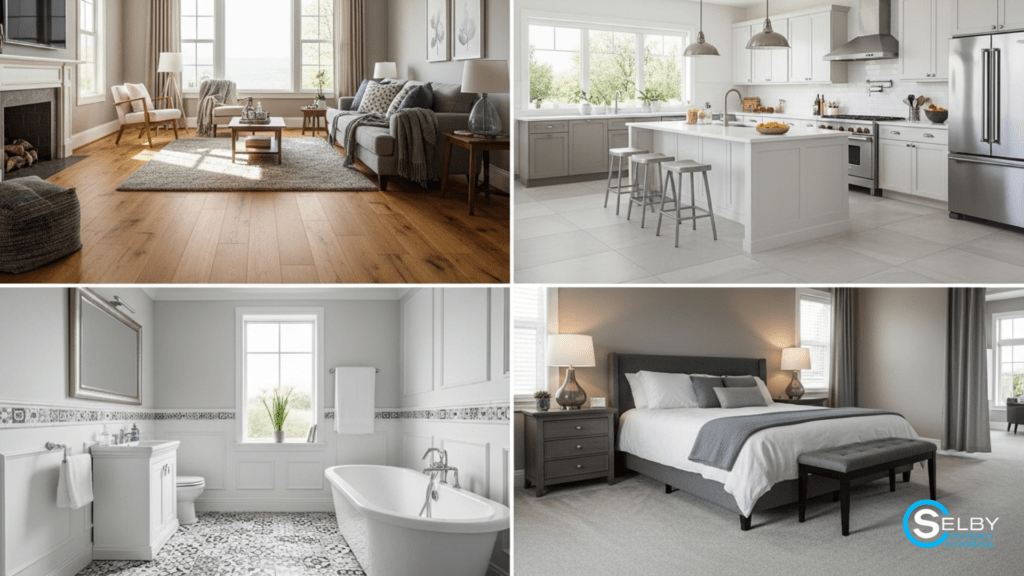
When learning how to choose flooring for your home, it is important to consider how each room is used. Different areas of the house experience different levels of activity, moisture, and daily wear, which means one flooring material may work better in one space than another. Understanding the best flooring options for homes often begins with evaluating room-specific needs. For example, living rooms and bedrooms typically benefit from warm and comfortable materials such as wood flooring or laminate flooring, which provide a natural look and long-lasting performance.
Kitchens and bathrooms, however, require surfaces that can handle moisture, making vinyl flooring or tile flooring more practical choices. Entryways and hallways often need stronger materials with high scratch resistance because they receive constant foot traffic. By matching flooring materials to the demands of each room, homeowners can make smarter decisions about how to choose flooring for their home.
Durable Flooring for Busy Homes
When considering how to choose flooring for your home, durability becomes especially important in houses with children, pets, or heavy daily activity. Floors in these environments must withstand constant foot traffic, furniture movement, and accidental spills without losing their appearance. Selecting durable flooring choices for houses helps ensure the surface remains attractive and functional for many years. Materials such as luxury vinyl tiles (LVT), laminate flooring, and engineered wood flooring are commonly chosen because they provide excellent scratch resistance and long-term strength.
Many modern flooring products also include protective wear layers that guard against dents, stains, and general damage. These features are particularly useful in high-traffic areas like hallways, living rooms, and kitchens. By prioritising durability and surface protection, homeowners can make confident decisions about how to choose flooring for their home while avoiding costly repairs or early replacements.
Design and Style Considerations
Design plays a significant role when deciding how to choose flooring for your home, because flooring strongly influences the overall atmosphere of a space. The floor colour, texture, and pattern interact with lighting, walls, and furniture to create the room’s final appearance. Choosing the right design helps ensure the flooring complements the rest of the interior rather than overpowering it. Light-coloured floors can make rooms appear larger and brighter by reflecting natural light, while darker tones often create a warmer and more intimate environment. Patterns such as herringbone flooring or wide plank flooring can add visual interest and character to larger spaces. The size of planks or tiles can also affect how spacious a room feels. By considering colour balance, room size, and interior style, homeowners can make smarter decisions about how to choose flooring for their home while achieving a cohesive design.
Budget and Installation Planning
Budget planning is a crucial step when deciding how to choose flooring for your home, as the total cost often includes more than just the flooring material itself. Many homeowners focus only on the price of wood flooring, vinyl flooring, or tile flooring, but installation costs and preparation materials can significantly affect the final budget. Additional expenses may include adhesives, moisture barriers, underlay, and finishing components such as skirting boards or baseboards. If professional installers are required, labour costs should also be considered. In some cases, removing existing flooring or preparing the subfloor may add further expenses to the project. Planning the full cost of materials, installation, and preparation helps homeowners avoid unexpected expenses. By carefully evaluating these elements, it becomes easier to manage the overall budget while learning how to choose flooring for your home effectively.
Common Flooring Mistakes to Avoid
Many homeowners make avoidable errors when deciding how to choose flooring for their home, often leading to unnecessary repairs or costly replacements. One of the most common mistakes is selecting flooring based only on appearance without considering durability and room usage. For example, installing delicate materials in high foot traffic areas can cause early damage and visible wear and tear. Another frequent mistake is ignoring moisture levels. Rooms such as kitchens or bathrooms require water-resistant flooring, and choosing materials that cannot handle moisture may lead to warping or staining.
Budget planning mistakes are also common, especially when homeowners overlook installation costs, subfloor preparation, or finishing materials. Finally, failing to consider maintenance requirements can create long-term challenges. Understanding cleaning needs, surface protection, and durability helps homeowners avoid mistakes while learning how to choose flooring for your home.
Simple Flooring Selection Guide
Following a clear process can make it much easier to understand how to choose flooring for your home without feeling overwhelmed by the many materials available. A practical flooring guide for homeowners begins by evaluating the function of each room. Consider how much foot traffic the space receives and whether it is exposed to moisture or spills. Next, compare different materials such as wood flooring, vinyl flooring, laminate flooring, and tile flooring based on durability, maintenance needs, and overall appearance. It is also important to think about floor colour, texture, and how the flooring will match your furniture and interior style. Budget planning should follow, including installation costs and required materials. By assessing room conditions, comparing materials, and planning installation carefully, homeowners can confidently decide how to choose flooring for their home while avoiding unnecessary expenses.
Final Thoughts on Choosing Flooring
Learning how to choose flooring for your home becomes much easier when you focus on performance, design, and long-term value together. Flooring is not only a decorative feature but also a practical surface that must handle everyday use, support your lifestyle, and complement the overall style of your house. Choosing the right material helps prevent expensive maintenance issues and improves comfort throughout the home. Options such as wood flooring, vinyl flooring, laminate flooring, and tile flooring all provide different strengths depending on the room and level of use. Some materials offer greater water resistance, while others deliver a warmer appearance or lower maintenance requirements. The key is to match the flooring to the specific needs of each space. By understanding room demands, budgeting carefully, and comparing materials closely, homeowners can confidently decide how to choose flooring for your home without making costly mistakes.
Frequently Asked Questions
What is the first step in choosing flooring for a home?
The first step in understanding how to choose flooring for your home is evaluating how each room will be used. Consider factors such as foot traffic, moisture exposure, and overall durability needs. Spaces like kitchens or hallways require stronger materials, while bedrooms may prioritise comfort and warmth.
Which flooring materials are the most durable for homes?
Some of the most durable options include luxury vinyl tiles (LVT), laminate flooring, and engineered wood flooring. These materials are designed with protective wear layers that help resist scratches, stains, and everyday wear and tear, making them suitable for busy households.
How important is flooring colour when choosing a floor?
Floor colour plays a significant role in interior design. Light floors reflect natural light and make rooms feel larger, while darker tones create a warm and cozy atmosphere. Choosing the right colour helps the floor complement furniture, walls, and overall décor.
Should flooring be the same throughout the entire house?
Not necessarily. While using consistent floor patterns can create visual flow, different rooms may require different materials. For example, vinyl flooring or tile flooring may work better in moisture-prone areas, while wood flooring may be more suitable for living rooms or bedrooms.
How can homeowners make their flooring last longer?
Proper maintenance is essential for preserving any floor. Regular cleaning, using protective pads under furniture, and managing moisture can help extend the life of wood flooring, vinyl flooring, or laminate flooring. Following manufacturer care instructions ensures your floor remains durable and attractive for many years.