
Flooring is one of the most influential elements in any interior space. The right floor not only supports daily activities but also enhances comfort, durability, and the visual appeal of your home. With so many types of flooring for homes available today, homeowners have more design flexibility than ever before. From elegant hardwood flooring to practical vinyl flooring and stylish tile flooring, every option offers unique advantages depending on lifestyle, budget, and design preferences. Modern interiors often combine aesthetics with performance, which is why exploring the best flooring options for homes is essential before starting a renovation or building project.
Durable materials, moisture resistance, and easy maintenance have become key priorities for homeowners seeking long-lasting solutions. Understanding the different types of flooring materials helps you make informed decisions that balance beauty and practicality. Whether you want natural textures, waterproof performance, or low-maintenance surfaces, the right flooring can transform any living space.

Why Choosing the Right Flooring Matters?
Selecting the right floor is more than a design decision; it directly affects the comfort, functionality, and long-term value of your home. With so many types of flooring for homes available, choosing the most suitable option ensures that each space performs well while complementing your interior style. Flooring influences daily living, from how a room feels underfoot to how well it withstands wear, moisture, and temperature changes. Different areas of a home have different needs.
For example, kitchens and bathrooms require waterproof flooring, while living areas benefit from durable surfaces that handle high foot traffic. Bedrooms often prioritise warmth and comfort, making materials like carpet flooring more appealing. Understanding how to choose the right flooring for your home involves considering durability, maintenance, installation methods, and long-term performance. By evaluating these factors carefully, homeowners can create a space that is both visually appealing and practical for everyday life.
7 Popular Types of Flooring for Homes
When exploring types of flooring for homes, homeowners quickly discover a wide variety of materials designed to suit different lifestyles, budgets, and interior styles. Each flooring option offers unique advantages, whether it’s the timeless elegance of hardwood flooring, the affordability of laminate flooring, or the durability of tile flooring. Understanding these options helps homeowners compare performance, appearance, and maintenance requirements before making a decision. Today’s popular flooring choices for houses combine functionality with style.
Hardwood Flooring
Among the many types of flooring for homes, hardwood flooring remains one of the most desirable choices due to its timeless appearance and durability. Made from natural wood, hardwood floors showcase distinctive grain patterns and rich textures that enhance the overall character of a living space. Common options include solid hardwood and engineered hardwood, both offering long-term performance with slightly different structural designs. Solid hardwood consists of a single piece of wood and can be sanded and refinished multiple times, allowing it to last for decades. Engineered hardwood, on the other hand, features layered construction that improves stability and reduces expansion caused by humidity changes. Because of its durability and premium appearance, hardwood flooring is commonly installed in living rooms, dining areas, and hallways.
Laminate Flooring
Laminate flooring is a practical and budget-friendly option often chosen by homeowners exploring different types of flooring for homes. This flooring is constructed using multiple layers, typically including a fiberboard core, a high-resolution photographic image layer, and a protective wear layer that improves resistance to scratches and stains. One of the biggest advantages of laminate flooring is its ability to mimic natural materials such as wood, stone, or ceramic tile while remaining significantly more affordable. Many laminate products feature a click-lock installation system, which allows planks to connect easily without extensive adhesives, making installation quicker and more efficient.
Vinyl Flooring
Vinyl flooring has become one of the most versatile types of flooring for homes, thanks to its durability and water-resistant properties. Modern vinyl products are designed to withstand moisture, scratches, and daily wear, making them suitable for kitchens, bathrooms, and other high-traffic areas. Popular formats include Luxury Vinyl Plank (LVP), Luxury Vinyl Tile (LVT), and sheet vinyl. These styles replicate the appearance of natural materials such as wood, stone, or ceramic tile, allowing homeowners to achieve a premium look at a more affordable price. Advanced vinyl products often incorporate strong core technologies like SPC flooring and WPC flooring, which improve structural stability and resistance to moisture.
Tile Flooring
Tile flooring is widely recognised for its strength and long-lasting performance, making it one of the most durable types of flooring for homes. Tiles are typically made from materials such as ceramic tile or porcelain tile, both of which are produced using high-temperature manufacturing processes that create dense and resilient surfaces. One of the major advantages of tile flooring is its ability to handle moisture and heavy foot traffic without losing its appearance. This makes tile an ideal choice for kitchens, bathrooms, entryways, and laundry rooms. Porcelain tiles are particularly known for their low water absorption and superior durability.
Carpet Flooring
For homeowners who prioritize comfort, carpet flooring is one of the softest types of flooring for homes available. Carpets provide a warm and cushioned surface that makes rooms feel more inviting, which is why they are commonly used in bedrooms, family rooms, and relaxation areas. Carpets are produced using a variety of fibers such as nylon, polyester, polypropylene, and wool. Synthetic fibers are valued for their durability and stain resistance, while wool carpet offers a more natural texture and luxurious feel. The construction of the carpet pile can also vary, with options such as loop pile or cut pile affecting softness and durability.
Bamboo Flooring
Bamboo flooring has gained popularity as an environmentally friendly alternative among modern types of flooring for homes. Unlike traditional hardwood, bamboo comes from a fast-growing grass that can be harvested much more quickly than most trees, making it a renewable and sustainable flooring material. Manufacturers compress bamboo fibers into dense planks to create a strong surface that can handle everyday household use. Many bamboo floors are treated with protective finishes that enhance scratch resistance and improve durability. The natural grain patterns of bamboo closely resemble traditional timber flooring, allowing it to complement both modern and classic interiors.
Hybrid Flooring
Hybrid flooring is an innovative solution that combines the benefits of several modern types of flooring for homes. This flooring integrates technologies used in laminate flooring and vinyl flooring, creating a highly durable and stable surface suitable for many areas of the house. Hybrid floors typically feature a rigid core construction that provides structural strength and resistance to temperature fluctuations. Many products include a waterproof core and a protective wear layer, allowing the flooring to resist moisture, scratches, and daily wear. These characteristics make hybrid flooring particularly suitable for busy households with pets or children.
Hardwood Flooring for Timeless Style
Among the many types of flooring for homes, hardwood flooring remains one of the most admired choices for its natural beauty and long-lasting durability. Made from real wood, this flooring highlights unique grain patterns and rich textures that add warmth and character to any room. Options such as solid hardwood and engineered hardwood provide flexibility for different environments and installation requirements. Solid hardwood is crafted from a single piece of wood and can be sanded or refinished multiple times, allowing it to last for decades.
Engineered hardwood, on the other hand, features layered construction that improves stability and reduces expansion caused by humidity changes. These characteristics make hardwood a reliable option for living rooms, dining areas, and hallways. In addition to its elegant appearance, hardwood floors can enhance property value and complement various interior styles. With proper care and maintenance, this flooring option continues to deliver both durability and timeless design.
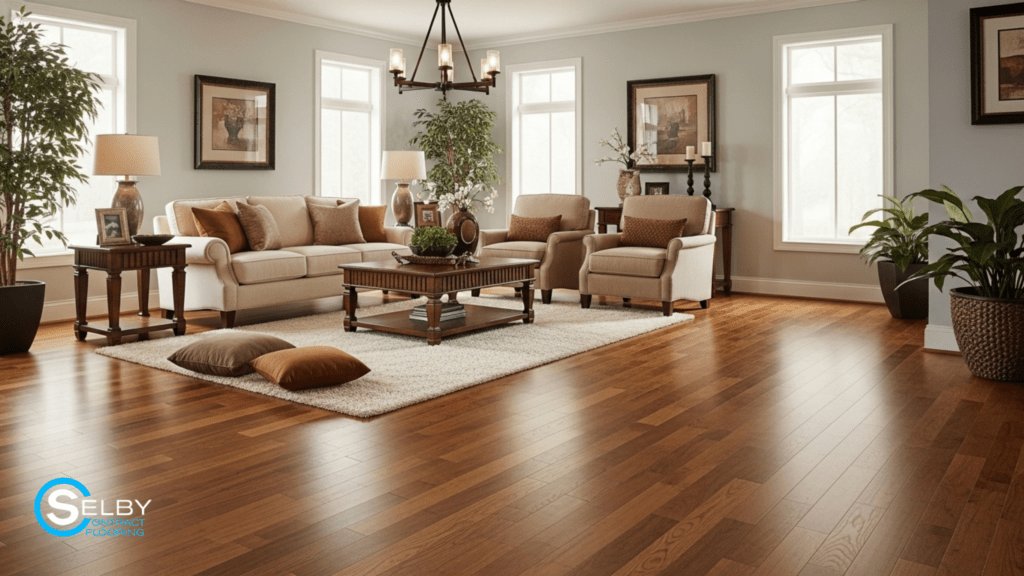
Laminate Flooring for Affordable Style
Another popular option among types of flooring for homes is laminate flooring, known for its affordability and attractive wood-like appearance. This flooring is manufactured using a layered structure that typically includes a fiberboard core, a high-resolution photographic layer, and a protective wear layer that improves durability. The result is a surface that closely resembles natural wood while remaining easier to maintain. One of the biggest advantages of laminate floors is their resistance to scratches, stains, and everyday wear.
Many modern products feature a click-lock installation system, making them a convenient choice for homeowners looking for straightforward installation. Laminate surfaces are also available in various textures and finishes, allowing them to mimic materials such as natural wood, stone, or ceramic tile. Because laminate is cost-effective and low maintenance, it works well in living rooms, hallways, and other moderately busy areas while still delivering a stylish and modern appearance.
Vinyl Flooring for Durability and Versatility
Among modern types of flooring for homes, vinyl flooring stands out for its durability, water resistance, and versatility. Designed to handle busy households, this material performs well in high-traffic areas such as kitchens, bathrooms, and hallways. Popular formats include Luxury Vinyl Plank (LVP), Luxury Vinyl Tile (LVT), and sheet vinyl, each offering unique installation and design benefits. Many modern vinyl products use advanced core structures such as SPC flooring (stone plastic composite) and WPC flooring (wood plastic composite).
These cores improve stability, moisture resistance, and overall strength, making vinyl a reliable solution for spaces exposed to humidity or spills. The realistic printed layer can replicate natural wood, stone, or ceramic tile, allowing homeowners to achieve premium looks without the higher cost. Because vinyl is easy to clean and comfortable underfoot, it remains a practical flooring solution that balances style, durability, and low maintenance for everyday living.
Tile Flooring for Strength and Moisture Resistance
Another durable option among types of flooring for homes is tile flooring, valued for its strength, water resistance, and design versatility. Tiles are commonly produced from materials such as ceramic tile and porcelain tile, both known for their ability to withstand moisture and heavy foot traffic. Because of these properties, tile flooring is frequently installed in kitchens, bathrooms, and entryways where durability is essential. Ceramic tile is made from natural clay that is shaped and fired at high temperatures, creating a tough surface that is easy to clean and maintain.
Porcelain tile is manufactured using a denser composition and higher firing temperatures, making it even more durable and resistant to water absorption. These characteristics allow tiles to maintain their appearance for many years with minimal maintenance. In addition to durability, tile flooring is available in numerous textures, colors, and finishes, allowing homeowners to create stylish interiors while ensuring long-term performance.
Carpet Flooring for Comfort and Warmth
For homeowners seeking softness and warmth, carpet flooring remains one of the most comfortable types of flooring for homes. Unlike hard surfaces, carpet creates a cushioned feel underfoot, making it especially suitable for bedrooms, family rooms, and relaxation spaces. It also improves indoor comfort by providing natural insulation and excellent acoustic absorption, helping reduce noise throughout the home. Carpets are produced using a variety of fibers such as nylon, polyester, polypropylene, and wool.
Synthetic fibers are typically valued for their durability and stain resistance, while wool carpet is appreciated for its natural texture and premium appearance. The structure of the carpet pile can vary as well, including cut pile and loop styles that influence both softness and durability. Because carpet is available in many colors, textures, and patterns, it allows homeowners to create inviting interiors while improving comfort and warmth in everyday living spaces.
Bamboo Flooring for Eco-Friendly Homes
As sustainability becomes more important in modern design, bamboo flooring has emerged as a stylish and environmentally responsible option among types of flooring for homes. Unlike traditional hardwood, bamboo is made from a rapidly renewable grass that grows much faster than most wood species, making it a more sustainable flooring material. Despite its eco-friendly origin, bamboo flooring still delivers impressive durability and visual appeal. Manufacturers compress bamboo fibers into dense planks that create a strong and stable surface capable of handling everyday household use.
Many products feature protective coatings that improve scratch resistance and protect against minor moisture exposure. Bamboo floors also display natural grain patterns that resemble traditional timber flooring, making them suitable for both modern and classic interiors. Because of its combination of sustainability, strength, and natural beauty, bamboo flooring is an attractive choice for homeowners seeking environmentally conscious design without sacrificing performance or style.
Hybrid Flooring for Modern Homes
Modern innovation has introduced hybrid flooring as one of the most practical types of flooring for homes. This flooring combines the strengths of laminate flooring and vinyl flooring technologies to create a durable and highly stable surface. Hybrid floors typically feature a rigid core construction that enhances structural strength while also providing excellent resistance to moisture and temperature changes. One of the key benefits of hybrid flooring is its waterproof core, which allows it to perform well in areas that experience spills or humidity.
The protective wear layer improves resistance to scratches and everyday damage, making it suitable for active households with children or pets. Many products also use a click-lock installation system, enabling faster and more efficient installation. Because hybrid flooring can replicate the appearance of natural wood or stone, it delivers modern aesthetics while maintaining durability, making it an increasingly popular solution for contemporary interior spaces.
Flooring Ideas for Modern Homes
Modern interior design continues to evolve, and flooring plays a central role in shaping the overall atmosphere of a home. When exploring types of flooring for homes, many homeowners look for styles that combine durability with contemporary aesthetics. Current flooring ideas for modern homes often focus on clean lines, natural textures, and neutral tones that complement a wide range of décor styles. One popular trend is wide plank hardwood flooring, which creates a spacious and elegant appearance in living areas.
Another growing preference is stone-look tile flooring, offering the visual appeal of natural stone with easier maintenance. Many homeowners also choose vinyl flooring with realistic wood patterns, providing both durability and water resistance for kitchens and open-plan spaces. Matte finishes, light oak tones, and textured surfaces are also gaining popularity because they add depth without overwhelming the room. These modern flooring styles help create interiors that feel bright, balanced, and visually cohesive.
Choosing the Best Flooring for Your Home
Selecting the right material from the many types of flooring for homes requires careful consideration of lifestyle, environment, and design preferences. Each room in a house has different requirements, so evaluating factors such as durability, moisture exposure, and maintenance needs can help homeowners make a practical decision. For high-traffic areas like living rooms and hallways, durable surfaces such as hardwood flooring, tile flooring, or hybrid flooring often perform best.
In spaces exposed to moisture, including kitchens or bathrooms, vinyl flooring or porcelain tile provides reliable protection against water damage. Comfort is another important factor, which is why carpet flooring remains popular in bedrooms where warmth and softness are desired. Budget, installation methods, and long-term maintenance should also influence your decision. By evaluating these elements carefully, homeowners can identify the best flooring options for homes that balance appearance, durability, and everyday practicality.
Final Thoughts
Choosing among the many types of flooring for homes can feel overwhelming, but understanding the strengths of each material makes the decision much easier. Every flooring option offers its own balance of durability, comfort, and style. Materials such as hardwood flooring, laminate flooring, vinyl flooring, tile flooring, carpet flooring, bamboo flooring, and hybrid flooring all serve different purposes depending on the room and lifestyle needs.
Homeowners should focus on long-term performance as well as design. Durable surfaces with strong scratch resistance, moisture protection, and easy maintenance often provide the most reliable results over time. At the same time, flooring should complement the home’s interior style and create a comfortable living environment. By carefully comparing materials, installation methods, and maintenance requirements, it becomes easier to select flooring that enhances both functionality and visual appeal while supporting a comfortable and lasting home design.
Frequently Asked Questions
What are the most common types of flooring for homes?
The most common types of flooring for homes include hardwood flooring, laminate flooring, vinyl flooring, tile flooring, and carpet flooring. These options are widely used because they balance durability, cost, and style. Each material suits different areas of the home depending on moisture levels, foot traffic, and maintenance preferences.
Which flooring option is the most durable for busy households?
For homes with heavy foot traffic, pets, or children, durable options like porcelain tile, hybrid flooring, and luxury vinyl plank (LVP) are often recommended. These materials provide strong scratch resistance, water resistance, and long-lasting performance in high-traffic areas such as kitchens, hallways, and living rooms.
What flooring works best in kitchens and bathrooms?
Rooms exposed to moisture require flooring that can handle water and humidity. Vinyl flooring, ceramic tile, and porcelain tile are popular choices because they offer excellent water resistance and are easy to clean, making them ideal for kitchens, bathrooms, and laundry rooms.
Is hardwood flooring a good long-term investment?
Yes, hardwood flooring is considered a long-term investment because it is durable and can often be refinished multiple times. High-quality hardwood floors can last for decades and may even improve the resale value of a property while maintaining a timeless appearance.
How do I maintain flooring to make it last longer?
Proper maintenance helps extend the lifespan of most flooring materials. Regular sweeping or vacuuming removes dirt and debris, while occasional deep cleaning protects the surface. Using protective pads under furniture, managing moisture, and following manufacturer care guidelines will help preserve the appearance and durability of your floors.