
Features and Benefits Of Broadloom Carpet
February 28, 2026
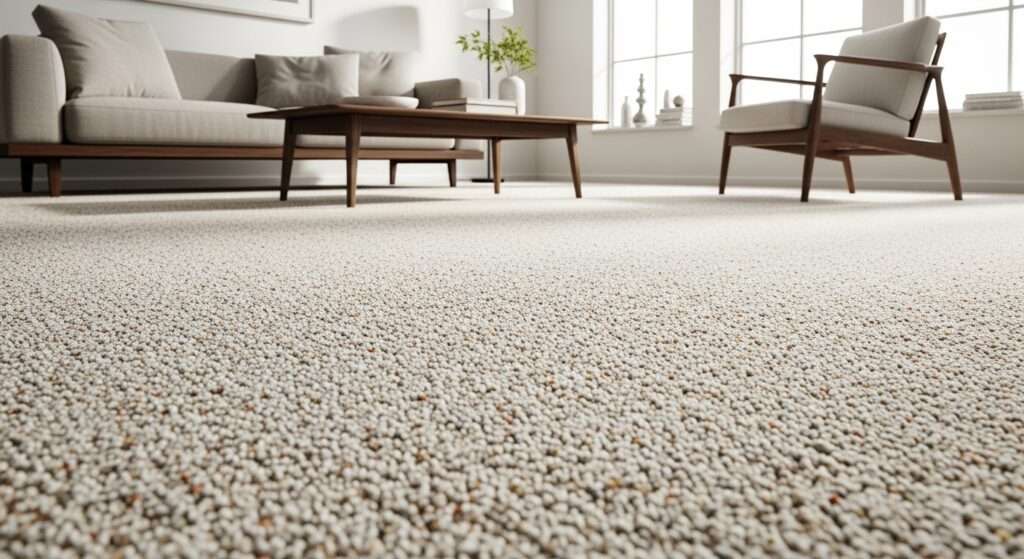
If you’re wondering what is broadloom carpet, it refers to carpet manufactured on a wide loom and supplied in large continuous broadloom carpet rolls. Unlike modular flooring, broadloom is designed primarily for wall to wall carpet installation, creating a seamless and unified floor covering across an entire room. Traditionally woven on wide looms, modern broadloom is typically produced using tufted construction methods for durability and consistency.
In the UK flooring industry, what is broadloom carpet commonly relates to large-scale installations in offices, hotels, schools, and residential properties. Rolls are manufactured in standard widths, often 12 or 15 feet, and then cut to fit the space. Because it covers large areas without visible joints, broadloom provides a smooth, continuous appearance ideal for both commercial and domestic environments.
How Broadloom Carpet Is Manufactured?
Understanding what is broadloom carpet also means looking at how it is made. Modern broadloom is typically produced using tufted construction, where yarn fibres such as nylon, polypropylene, or wool are stitched into a backing material using high-speed machinery. This process creates the carpet pile, which determines the texture, durability, and overall appearance.
After tufting, a secondary backing layer is applied to strengthen the carpet and improve stability during wall to wall carpet installation. Some premium commercial broadloom carpet options include enhanced backing systems for added durability and acoustic performance. The carpet is then manufactured into large broadloom carpet rolls, trimmed, and quality-checked before distribution. This structured production process ensures consistent performance, long lifespan, and suitability for both residential and commercial spaces.
Broadloom Carpet Rolls Explained
To better understand what is broadloom carpet, it’s important to know how it is supplied. Broadloom is produced in large continuous broadloom carpet rolls, typically available in standard widths such as 12 feet or 15 feet. The length of each roll can vary, often reaching up to 30–45 metres depending on the manufacturer and product specification.
In the UK, pricing is usually calculated per square metre (m²), meaning the total cost depends on the width of the roll and the length required for the space. Because rolls come in fixed widths, some cutting and seam planning may be necessary during wall to wall carpet installation. Professional installers carefully measure and position the carpet to minimise waste and ensure a smooth, seamless finish across large commercial or residential areas.
Types of Broadloom Carpet
When understanding what is broadloom carpet, it’s important to look at the different construction styles available. Broadloom carpet is manufactured in wide rolls and can be produced in various pile types, each offering a unique balance of comfort, durability, and appearance. The pile construction directly affects how the carpet feels underfoot, how well it handles foot traffic, and how easy it is to maintain.
In both residential and commercial broadloom carpet applications, selecting the right pile type ensures long-term performance and visual appeal. Some styles prioritise softness and luxury, while others are designed to withstand heavy daily use. Below are the most common types of broadloom carpet and how they differ in structure and function.
Loop Pile (Berber)
Loop pile, commonly referred to as Berber carpet, features uncut yarn loops that remain intact on the surface. This construction creates a dense and highly durable texture that resists crushing and matting. It performs exceptionally well in high-traffic areas such as offices, hallways, and commercial spaces. The tight loop structure also helps hide dirt and footprints, making maintenance easier. However, it can feel firmer underfoot compared to cut pile options. Its long-lasting performance makes it a popular choice for busy environments.
Cut Pile
Cut pile carpets are made by cutting the yarn loops, resulting in upright fibres that create a soft and plush surface. This style offers a warmer, more luxurious feel, making it ideal for bedrooms, living rooms, and hospitality settings. Different variations, such as Saxony, plush, and frieze, fall under the cut pile category, each offering slightly different textures. While comfortable, cut pile may show footprints or vacuum marks more easily. It is best suited for areas with moderate foot traffic.
Cut and Loop
Cut and loop carpet combines both cut fibres and uncut loops to create textured or patterned designs. This construction adds visual depth and decorative appeal to interior spaces. It is often chosen for areas where style and durability need to work together. The mix of textures helps conceal stains and wear patterns, making it practical for medium-traffic environments. Cut and loop styles are commonly used in hotels, meeting rooms, and feature spaces where aesthetics matter.
Wall to Wall Carpet Installation Process
Understanding what is broadloom carpet is also involves knowing how it is professionally fitted. The most common method is wall to wall carpet installation, which provides a seamless finish across an entire room. In residential properties, installers often use the stretch-fit method, where the carpet is secured over an underlay using gripper rods around the perimeter. This creates a smooth, cushioned surface underfoot.
In commercial environments, commercial broadloom carpet is frequently installed using a glue-down system. This method provides added stability in high-traffic areas such as offices, hotels, and retail spaces. If a room exceeds the width of standard broadloom carpet rolls, sections are carefully seamed together to maintain a consistent appearance. Proper subfloor preparation and professional installation ensure durability, comfort, and long-term performance.
Commercial Broadloom Carpet Advantages
When evaluating what is broadloom carpet, its commercial advantages become especially clear in professional environments. Commercial broadloom carpet is specifically engineered to handle demanding conditions while maintaining a refined and seamless appearance. Because it is installed wall-to-wall in large rolls, it reduces visible joins and creates a clean, unified floor finish.
This makes it a popular choice in offices, hotels, educational facilities, healthcare settings, and corporate buildings. Beyond aesthetics, commercial-grade options are designed with enhanced backing systems, stronger fibres, and performance-focused construction. These qualities ensure long-term reliability, safety, and comfort in spaces that experience constant daily use.
Durability for High Traffic
Commercially, what is broadloom carpet is manufactured using durable fibres such as nylon, polypropylene, or solution-dyed materials. These fibres are engineered to resist wear, crushing, and fibre loss even under heavy foot traffic. Reinforced backing systems provide structural stability and prevent stretching or wrinkling over time.
Many commercial products also include stain-resistant treatments and moisture barriers for added protection. This makes them ideal for reception areas, corridors, conference rooms, and other high-traffic zones where performance is essential.
Acoustic and Thermal Performance
what is broadloom carpet significantly improves indoor acoustics by absorbing impact noise and reducing sound transfer between rooms. This is particularly valuable in open-plan offices, hotels, and educational environments where noise control enhances productivity and comfort.
In addition to sound absorption, what is broadloom carpet provides thermal insulation by trapping warmth within its fibres. This contributes to improved energy efficiency and a more comfortable indoor environment. Together, these benefits make it a practical and performance-driven flooring solution for commercial spaces.
Broadloom Carpet vs Carpet Tiles
When comparing options, many clients researching what is broadloom carpet also consider broadloom carpet vs carpet tiles. The key difference lies in format and flexibility. Broadloom is supplied in large continuous broadloom carpet rolls, offering a seamless finish that enhances the perception of space. This makes it ideal for conference rooms, hotel corridors, and executive offices where a smooth visual flow is important.
In contrast, what is broadloom carpet tiles are modular squares that can be individually replaced if damaged. While this offers maintenance convenience, tiles may create visible joins that break the visual continuity of a room. Commercial broadloom carpet often delivers superior acoustic performance and a more luxurious feel underfoot. However, carpet tiles can be advantageous in spaces requiring frequent access to underfloor services or phased installation projects.
Benefits of Broadloom Carpet
To fully understand what is broadloom carpet, it’s important to explore the practical and aesthetic benefits it offers. Broadloom carpet is manufactured in wide rolls and installed wall-to-wall, creating a unified flooring surface that enhances both comfort and design continuity. It is widely chosen for homes, offices, hospitality spaces, and commercial interiors due to its versatility and performance.
Beyond appearance, broadloom provides functional advantages such as insulation, safety, and sound absorption. Its soft texture improves underfoot comfort, while its structure supports better indoor acoustics. Whether installed in residential living rooms or corporate environments, broadloom carpet delivers a balanced combination of durability, warmth, and visual appeal.
Seamless Appearance
One of the standout benefits of what is broadloom carpet is its seamless and continuous finish. Because it is installed in large sections, there are minimal visible joins compared to carpet tiles or modular flooring. This creates a smooth, uninterrupted surface that enhances the perception of space. The clean layout contributes to a professional and elegant look, especially in offices, hotels, and formal interiors. A seamless design also simplifies maintenance by reducing gaps where dirt can collect.
Comfort and Warmth
What is broadloom carpet provides a soft, cushioned surface that feels comfortable underfoot. When paired with a high-quality underlay, it enhances shock absorption and reduces foot fatigue. This makes it particularly suitable for areas where people stand or walk for long periods. In addition to comfort, broadloom improves thermal insulation by retaining heat within its fibres. This helps maintain indoor warmth and can contribute to improved energy efficiency in both homes and workplaces.
Noise Reduction
Noise control is a major advantage of what is broadloom carpet, especially in busy environments. The dense fibre construction absorbs impact sounds such as footsteps and reduces echo within large rooms. This improves concentration and overall comfort in offices, hotels, and shared spaces. By limiting sound transfer between floors, broadloom also enhances privacy in multi-level buildings. Its acoustic performance makes it a practical flooring choice where quiet and productivity are priorities.
Maintenance and Longevity
When considering what is broadloom carpet, long-term maintenance is an important factor. Proper care helps extend the lifespan of both residential and commercial broadloom carpet installations. Regular vacuuming removes dirt and debris that can damage fibres over time, especially in high-traffic areas such as corridors and reception spaces.
Spot cleaning spills promptly prevents staining, while periodic professional deep cleaning restores appearance and hygiene. Many modern what is broadloom carpet rolls are manufactured with stain-resistant treatments, improving durability and simplifying upkeep. In commercial settings, implementing a structured maintenance plan significantly increases carpet longevity and preserves visual appeal. With correct installation and ongoing care, broadloom can perform effectively for many years, making it a reliable flooring investment.
Cost of Broadloom Carpet in the UK
When evaluating what is broadloom carpet, understanding cost is essential for budgeting. In the UK, broadloom is typically priced per square metre (m²), with costs varying based on fibre type, pile construction, and performance rating. Entry-level synthetic options may start from moderate price points, while premium wool or high-performance commercial broadloom carpet products command higher rates.
Installation expenses also depend on room size, subfloor condition, and chosen fitting method. Wall to wall carpet installation using a stretch-fit system may differ in cost from a full glue-down commercial application. Additional materials, such as underlay and seam sealing, can influence the final price. Although the initial investment may vary, broadloom often provides long-term value due to durability, comfort, and minimal visible joins compared to modular alternatives.
When to Choose Broadloom Carpet?
If you’re considering what is broadloom carpet, it’s important to know when it is the right flooring solution. Broadloom is ideal for large open spaces where a seamless finish is preferred, such as hotel corridors, conference rooms, offices, and luxury residential living areas. The continuous surface created during wall to wall carpet installation enhances visual flow and delivers a professional appearance.
In environments where acoustic comfort and warmth are priorities, commercial broadloom carpet performs particularly well. It absorbs sound and reduces echo, making it suitable for busy workplaces and hospitality settings. Broadloom is also a strong choice when design consistency is essential across expansive areas. While broadloom carpet vs carpet tiles depends on project needs, broadloom remains the preferred option for cohesive, elegant, large-scale flooring.
Why Choose Selby Contract Flooring?
If you’re researching what is broadloom carpet and planning a new installation, choosing the right contractor is essential. At Selby Contract Flooring, we specialise in supplying and installing high-quality commercial broadloom carpet across London and the wider UK. Our experienced team manages every stage, from measuring and planning to professional wall to wall carpet installation, ensuring precision and minimal disruption.
We work with trusted manufacturers to source durable broadloom carpet rolls suitable for offices, hospitality venues, education facilities, and residential projects. Whether you’re comparing broadloom carpet vs carpet tiles or selecting the best fibre type for your environment, we provide expert guidance tailored to your needs. Our focus on quality workmanship, safety standards, and long-term performance ensures a seamless and professional flooring solution.
Conclusion
By now, you should clearly understand what is broadloom carpet and why it remains a popular flooring choice across the UK. Supplied in large broadloom carpet rolls, this flooring solution delivers a seamless, professional finish ideal for both residential and commercial spaces. From improved acoustics and thermal comfort to design consistency and durability, broadloom continues to offer long-term value. For businesses considering commercial broadloom carpet, the benefits extend to high-traffic performance and cohesive interior aesthetics. While comparing broadloom carpet vs carpet tiles is important, broadloom stands out when a smooth, wall-to-wall appearance is the priority. With expert wall to wall carpet installation, you can achieve a comfortable, durable, and visually unified flooring solution tailored to your environment. If you need guidance, Selby Contract Flooring is ready to help you choose and install the perfect broadloom system.
FAQs About Broadloom Carpet
What is broadloom carpet?
Broadloom carpet is carpet manufactured on a wide loom and supplied in large continuous broadloom carpet rolls, typically used for seamless wall to wall carpet installation in residential and commercial spaces.
Is commercial broadloom carpet durable?
Yes, commercial broadloom carpet is designed with strong fibres such as nylon and reinforced backing systems to withstand heavy foot traffic in offices, hotels, and public buildings.
Broadloom carpet vs carpet tiles – which is better?
When comparing broadloom carpet vs carpet tiles, broadloom offers a seamless look and improved acoustic comfort, while carpet tiles provide easier spot replacement and modular flexibility.
How long does broadloom carpet last?
With proper installation and maintenance, high-quality broadloom can last many years, particularly in well-managed commercial environments.