
What Is Flooring and Why Does It Matter in Home Design?
March 26, 2026
When planning or renovating a home, one of the most important design elements to consider is the surface beneath your feet. Many homeowners ask what is flooring and why it plays such a significant role in interior design. In simple terms, flooring refers to the finished floor covering installed on top of the structural subfloor to create a durable and comfortable walking surface. It forms the foundation of every room and directly affects the overall look, functionality, and comfort of a space.
Understanding what flooring is helps homeowners make better decisions when choosing materials that match their lifestyle and design preferences. Modern flooring systems are designed to provide durability, insulation, and aesthetic appeal while supporting daily activities such as walking, furniture placement, and foot traffic. From natural wood flooring to modern vinyl flooring and ceramic tiles, the right flooring can transform the atmosphere of any room
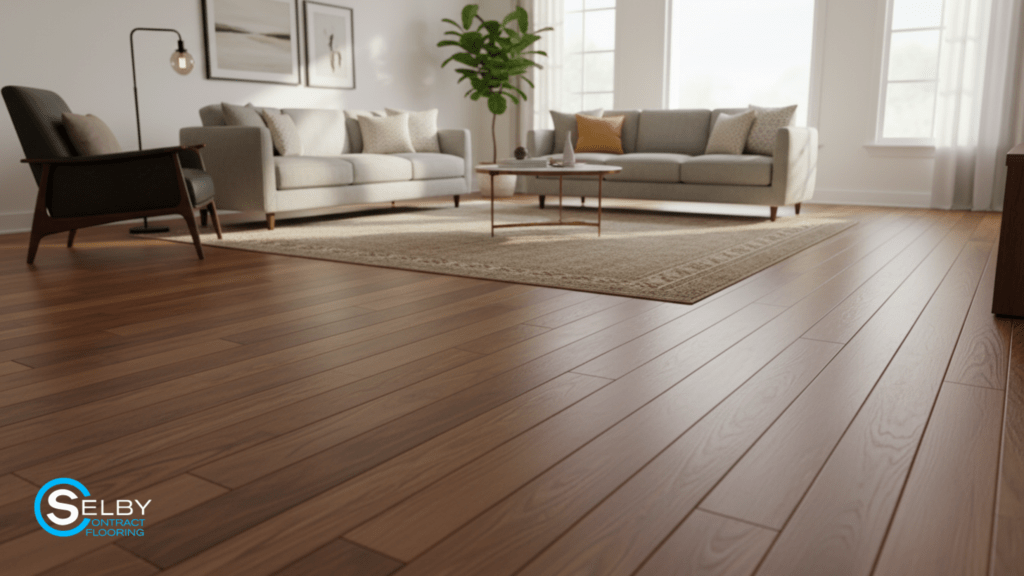
What Is Flooring?
To fully understand what is flooring, it helps to look at how floors are constructed in a building. In simple terms, flooring is the final surface layer installed over a structural base called the subfloor. The subfloor, often made from concrete or plywood panels, provides the strength and support needed for everyday use. On top of this structure, installers place the visible floor covering, which becomes the surface people walk on every day.
Common examples of flooring include hardwood flooring, laminate flooring, vinyl flooring, tile flooring, and carpet flooring. Each material provides different benefits, such as durability, comfort, or moisture resistance. In residential construction, understanding what flooring is is essential because it affects not only the appearance of a home but also the durability and maintenance requirements of each room.
Why Flooring Matters in Home Design?
Understanding what flooring is also means recognizing how strongly it influences the overall design and functionality of a home. Flooring is not just a surface to walk on; it plays a key role in shaping the atmosphere, comfort, and practicality of every room. The type of floor covering you choose can affect how spacious a room feels, how easily it can be cleaned, and how well it withstands daily foot traffic.
Different materials also contribute to comfort and energy efficiency. For example, carpet flooring provides sound insulation and warmth, while ceramic tiles or stone flooring offer durability and easy maintenance in high-traffic areas. When homeowners understand what is flooring, they can make better decisions that improve both the style and functionality of their living spaces. The right flooring choice can enhance interior design, increase property value, and create a welcoming environment throughout the home.
Types of Flooring Materials
When learning what is flooring, it is important to understand the many types of flooring materials available for modern homes. Flooring materials vary widely in durability, appearance, and maintenance requirements. Some materials are designed for comfort and warmth, while others are chosen for strength and moisture resistance. Common flooring materials include hardwood flooring, laminate flooring, vinyl flooring, ceramic tile, porcelain tile, and carpet flooring.
Natural materials such as wood and stone flooring provide a timeless appearance, while engineered materials like luxury vinyl plank and hybrid flooring offer improved durability and water resistance. Each option has its own advantages depending on where it is installed. Understanding what flooring is and the characteristics of different materials helps homeowners to select flooring that balances comfort, design, and long-term performance throughout the house.
Different Types of Flooring for Homes
When exploring what is flooring, homeowners quickly discover that there are many different types of flooring for homes designed to suit various rooms and lifestyles. Each flooring type offers unique advantages depending on durability, comfort, and maintenance requirements. Choosing the right option can greatly influence how practical and visually appealing a home feels. Hardwood flooring remains one of the most popular choices because of its natural beauty and long lifespan. Laminate flooring provides a similar wood-like appearance while being more budget-friendly.
Hardwood Flooring
Hardwood flooring is one of the most traditional and elegant flooring options available for homes. Made from natural wood planks such as oak, maple, or walnut, hardwood floors are valued for their durability and timeless appearance. The natural wood grain patterns create a warm and sophisticated look that suits both classic and modern interior styles. One major advantage of hardwood is its long lifespan, as it can often be sanded and refinished multiple times to restore its original beauty. This makes hardwood a long-term investment for homeowners. However, it requires proper maintenance and may be sensitive to excessive moisture, so it is usually recommended for living rooms, dining areas, and hallways rather than bathrooms.
Laminate Flooring
Laminate flooring is a popular alternative to hardwood because it offers a similar wood-like appearance at a more affordable cost. It is made from multiple layers of high-density fiberboard topped with a decorative layer that mimics natural materials such as wood or stone. A protective wear layer on the surface helps resist scratches, stains, and daily foot traffic. Laminate flooring is also relatively easy to install thanks to its click-lock floating system, which allows planks to snap together without glue or nails. Because of its durability and cost-effectiveness, laminate is widely used in living rooms, hallways, and bedrooms where homeowners want the appearance of wood without the higher price.
Vinyl Flooring
Vinyl flooring has become increasingly popular due to its durability and excellent water resistance. Modern options such as luxury vinyl plank (LVP) and luxury vinyl tile (LVT) can realistically replicate the look of wood, stone, or ceramic tile. Vinyl is made from synthetic materials such as polyvinyl chloride (PVC), which gives it flexibility and resilience. One of the biggest advantages of vinyl flooring is its ability to withstand moisture, making it ideal for kitchens, bathrooms, and laundry rooms. It is also relatively easy to clean and maintain, requiring only regular sweeping and occasional mopping. Because of these benefits, vinyl flooring is considered a practical choice for busy households.
Tile Flooring
Tile flooring is another durable option commonly used in residential interiors. Tiles are usually made from ceramic, porcelain, or natural stone materials such as marble or slate. These materials provide excellent resistance to water, stains, and scratches, making tile flooring ideal for areas with heavy use or high moisture levels. Tiles are installed individually with mortar and grout, creating a strong and long-lasting surface. Tile flooring is widely used in bathrooms, kitchens, and entryways because it can handle frequent cleaning and exposure to moisture. In addition, modern tile designs offer a wide variety of colors, textures, and patterns that enhance the visual appeal of interior spaces.
Carpet Flooring
Carpet flooring is a soft and comfortable flooring option often used in bedrooms and living areas. It is made from woven carpet fibers such as nylon, polyester, or wool, which are attached to a backing layer and installed with carpet padding underneath. The padding provides cushioning and improves sound insulation, making rooms quieter and more comfortable. Carpet is particularly popular in spaces where warmth and comfort are important, especially during colder seasons. It also comes in a wide range of colors, textures, and patterns, allowing homeowners to match it with their interior décor. However, carpets require regular vacuum cleaning and occasional deep cleaning to maintain their appearance and hygiene.
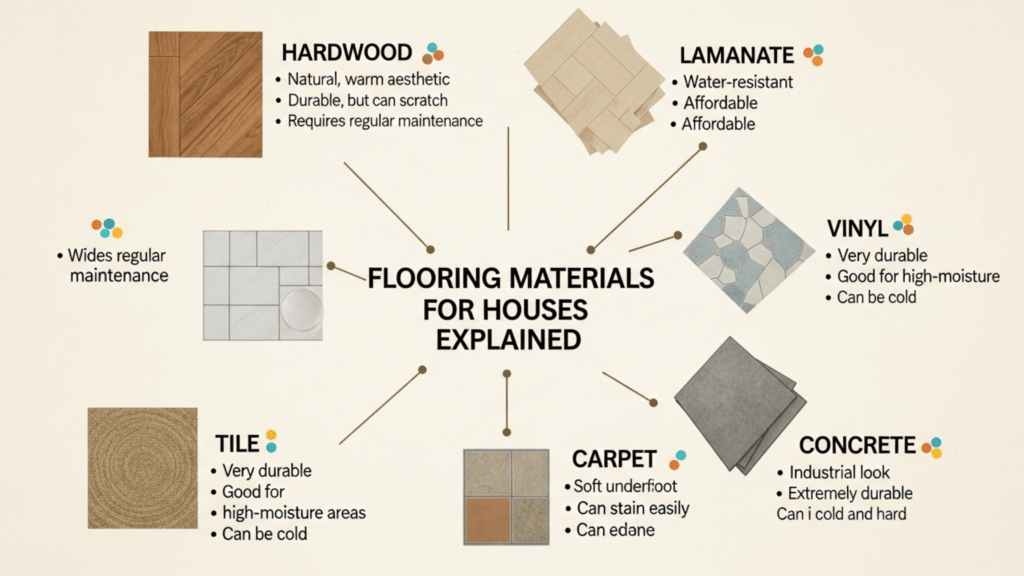
Flooring Materials for Houses Explained
Understanding what flooring is becomes easier when you examine the most common flooring materials for houses used in residential construction. Flooring materials can generally be divided into natural materials and manufactured materials, each offering unique benefits depending on durability, style, and maintenance needs. Natural options include hardwood flooring, bamboo flooring, cork flooring, and natural stone flooring such as marble or slate.
These materials provide a timeless appearance and long-lasting strength, making them popular choices for homeowners who want elegant and durable surfaces. Manufactured options such as laminate flooring, vinyl plank flooring, and engineered wood flooring are designed to replicate the look of natural materials while offering improved moisture resistance and easier installation. By understanding what is flooring and the characteristics of each material, homeowners can choose flooring that balances design, durability, and practicality throughout the home.
Best Flooring Options for Homes
Choosing the best flooring options for homes depends on lifestyle, room usage, and maintenance preferences. When exploring what is flooring, homeowners often focus on materials that provide durability, comfort, and visual appeal. Some flooring types perform better in high-traffic areas, while others create a cozy atmosphere in private spaces. Hardwood flooring is widely considered a premium choice because of its natural wood grain, long lifespan, and ability to increase property value.
Luxury vinyl flooring has become popular for modern homes because it offers strong water resistance and durability while mimicking natural wood or stone. Laminate flooring provides a budget-friendly alternative with a similar appearance. For areas where comfort is important, carpet flooring adds warmth and sound absorption. Understanding what is flooring and how each material performs helps homeowners choose flooring solutions that suit both their design style and everyday needs.
How to Choose the Right Flooring?
Selecting the right material can feel overwhelming, especially with so many modern flooring choices available. Understanding how to choose the right flooring begins with evaluating how each room in your home is used. When learning what flooring is, homeowners should consider several practical factors, such as foot traffic, moisture exposure, maintenance requirements, and overall design style. Rooms with heavy daily use, such as hallways or living rooms, benefit from durable materials like hardwood flooring or vinyl plank flooring that can withstand wear.
Areas exposed to water, including kitchens and bathrooms, often require tile flooring or waterproof luxury vinyl to prevent damage. Budget and long-term maintenance are also important considerations when comparing flooring options. By understanding what is flooring and evaluating these factors carefully, homeowners can choose surfaces that provide both visual appeal and long-lasting performance.
Best Flooring for Each Room
Understanding what is flooring also involves choosing the right material for each space in your home. Different rooms experience different levels of foot traffic, moisture exposure, and daily use, so selecting suitable flooring can improve both durability and comfort. In living rooms, hardwood flooring or laminate flooring is often preferred because it offers a stylish appearance and can handle regular use. Bedrooms usually benefit from carpet flooring, as soft carpet fibers create warmth and reduce noise for a more comfortable environment.
For kitchens and bathrooms, ceramic tile or vinyl flooring works well because these materials resist water damage and are easy to clean. By understanding what is flooring and selecting materials based on each room’s function is, homeowners can create a balanced design that combines comfort, durability, and practicality throughout the house.
Modern Flooring Trends
As homeowners continue exploring what flooring is, modern design trends are shaping how flooring materials are used in contemporary interiors. Today’s flooring solutions focus on combining style, durability, and sustainability to create comfortable living spaces. One of the biggest trends is wood-look flooring, where materials like luxury vinyl plank and laminate flooring replicate the appearance of natural hardwood flooring while offering improved water resistance and durability.
Another growing trend is the use of large-format tiles, which create a seamless and modern appearance in areas such as kitchens and bathrooms. Homeowners are also showing increasing interest in eco-friendly flooring options like bamboo flooring and cork flooring, which provide sustainable alternatives to traditional materials. By understanding what is flooring and staying informed about these design trends, homeowners can choose flooring solutions that enhance both the visual appeal and functionality of modern homes.
Maintenance and Durability of Flooring
When learning what is flooring, it is important to consider how different materials perform over time. Flooring durability determines how well a surface can handle daily foot traffic, furniture weight, and regular cleaning without losing its appearance. Some materials require minimal maintenance, while others need more frequent care to maintain their quality. For example, hardwood flooring is known for its long lifespan and can be sanded and refinished to restore its natural wood grain finish after years of use.
Vinyl flooring and laminate flooring are also popular because they resist scratches and stains while requiring simple cleaning routines like sweeping or mopping. In contrast, carpet flooring may require regular vacuum cleaning and occasional deep cleaning to remove dust and allergens. Understanding what is flooring and the maintenance requirements of each material helps homeowners choose durable solutions that remain attractive and functional for many years.
Expert Flooring Advice
Choosing the right flooring can significantly affect the comfort, style, and long-term value of a home. When understanding what is flooring, it helps to consult professionals who can evaluate both design preferences and practical needs. Flooring specialists often recommend selecting materials based on the function of each room, expected foot traffic, and the overall interior design of the home.
For example, durable surfaces such as hardwood flooring, laminate flooring, or vinyl flooring work well in high-traffic areas like hallways and living rooms. In contrast, carpet flooring may be more suitable for bedrooms where comfort and warmth are priorities. Professional installers can also assess the subfloor condition, recommend proper underlayment, and ensure correct installation techniques. By fully understanding what is flooring and seeking expert guidance, homeowners can select flooring solutions that balance durability, comfort, and visual appeal throughout their homes.
Final Thoughts
Understanding what is flooring is essential for anyone planning a home renovation or building a new living space. Flooring is more than just the surface you walk on, it forms the visual and functional foundation of every room. The right floor covering can enhance interior design, improve comfort, and increase the overall value of a property. Modern homes offer a wide variety of flooring choices, including hardwood flooring, laminate flooring, vinyl flooring, tile flooring, and carpet flooring.
Each material offers unique advantages depending on factors such as durability, maintenance requirements, and design preferences. By understanding what is flooring, homeowners can select materials that match their lifestyle and create a balanced combination of style and practicality. Carefully choosing flooring ensures that every room in the home remains comfortable, visually appealing, and durable for years to come.
Frequently Asked Questions
What is flooring in a home?
In simple terms, what is flooring refers to the finished floor covering installed over the structural subfloor of a building. It forms the visible walking surface of a room and can be made from materials such as hardwood flooring, laminate flooring, vinyl flooring, tile flooring, or carpet flooring.
What are the most common flooring materials used in houses?
The most widely used materials include wood flooring, luxury vinyl plank, ceramic tile, laminate flooring, and carpet. Each material offers different levels of durability, comfort, and maintenance depending on where it is installed in the home.
Which flooring type is easiest to maintain?
Materials such as vinyl flooring, laminate flooring, and tile flooring are generally easier to maintain because they resist stains and can be cleaned with simple sweeping or mopping.
What flooring is best for high-traffic areas?
Durable options such as hardwood flooring, porcelain tiles, and luxury vinyl flooring perform well in high-traffic areas like hallways and living rooms because they resist wear and scratches.
How long does flooring typically last?
The lifespan depends on the material. Hardwood flooring can last several decades, tile flooring can last even longer, while carpet flooring usually needs replacement after 10–15 years, depending on usage and maintenance.