
Eco-Friendly Flooring Options for Modern Homes
February 28, 2026
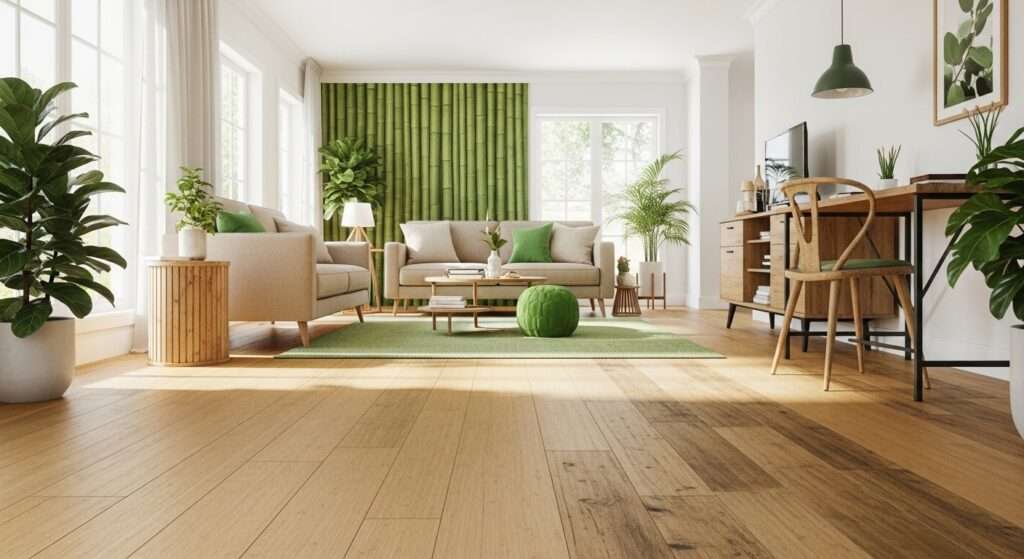
Choosing the right surface for your home is no longer just about appearance or durability. Today, homeowners are actively searching for eco-friendly flooring options that reduce environmental impact while improving indoor living conditions. With growing awareness of climate change, carbon emissions, and landfill waste, flooring choices play a surprisingly important role in sustainable home design. Many traditional floors contain high levels of Volatile Organic Compounds (VOCs), synthetic adhesives, and non-renewable materials. These can affect Indoor Air Quality (IAQ) and long-term health.
By contrast, modern sustainable flooring materials focus on renewable resources, lower emissions, and responsible production practices. Investing in environmentally conscious flooring is not just a trend; it’s a long-term strategy for healthier homes, lower lifecycle costs, and improved property value. Selecting the right materials ensures your flooring performs beautifully while supporting a greener future.
What Makes Flooring Truly Eco-friendly?
Understanding what defines genuine eco-friendly flooring options goes beyond marketing claims. True sustainability considers the entire lifecycle of a product, from raw material sourcing to manufacturing, installation, maintenance, and eventual disposal. Flooring that meets high environmental standards typically uses renewable resources, recycled content, or responsibly harvested timber. Certifications such as FSC (Forest Stewardship Council) ensure wood comes from well-managed forests. Many modern low-VOC flooring solutions also eliminate harmful adhesives and finishes that contribute to indoor pollution.
Products labelled formaldehyde-free or zero-VOC help protect air quality, especially important in family homes. Durability is another key factor. Long-lasting materials reduce the need for replacement, lowering waste over time. When evaluating the best eco-friendly flooring for homes, always consider carbon footprint, recyclability, and long-term performance, not just appearance.
Bamboo Flooring for Modern Interiors
Among today’s most popular eco-friendly flooring options, bamboo stands out for its rapid renewability and contemporary appearance. Unlike traditional hardwood trees that can take decades to mature, bamboo regenerates within three to five years, making it one of the most efficient sustainable flooring materials available. Modern manufacturing techniques have improved bamboo’s strength, with many products now rivalling oak in durability.
High-quality options are formaldehyde-free, third-party certified, and designed as low-VOC flooring solutions, helping maintain healthier indoor environments. This makes bamboo one of the most reliable non-toxic flooring options for family homes. Aesthetically, bamboo complements minimalist, Scandinavian, and modern interiors with its clean grain and light tones. It performs well in living rooms, bedrooms, and hallways, though proper installation and moisture control remain essential to maximise lifespan.
Cork Flooring and Carbon Benefits
Cork flooring stands out as one of the most forward-thinking, eco-friendly flooring options available today. It combines renewable sourcing, carbon absorption benefits, and strong indoor performance. Harvested without cutting down the cork oak tree, it regenerates naturally, making it highly sustainable. Beyond environmental advantages, cork delivers comfort, insulation, and durability for modern homes. Below are the key benefits that make cork a smart, climate-conscious flooring choice.
Renewable Harvesting Process
Cork is extracted from the bark of the cork oak tree without harming the tree itself. The bark regenerates approximately every nine years, allowing repeated harvesting. This natural renewal cycle makes cork one of the most responsible sustainable flooring materials. It supports long-term forest preservation.
Carbon Absorption Benefits
Cork oak forests actively absorb carbon dioxide from the atmosphere. Regular harvesting actually increases the tree’s carbon absorption capacity. This process contributes positively to climate stability. Choosing cork flooring supports ecosystems that help reduce overall carbon impact.
Natural Thermal and Acoustic Insulation
Cork provides excellent thermal insulation, helping rooms retain warmth. It also reduces noise transmission, making it ideal for bedrooms and offices. The cellular structure of cork naturally absorbs sound. This enhances comfort and energy efficiency in homes.
Comfortable and Resilient Surface
Cork has a soft, cushioned feel underfoot compared to harder flooring types. Its flexibility reduces strain on joints and provides added comfort. The material is resilient and can recover from minor pressure marks. This balance of comfort and durability makes it practical for family spaces.
low-VOC and Healthy Interiors
Many cork products qualify as low-VOC flooring solutions when installed with non-toxic adhesives. This helps maintain better indoor air quality. Fewer emissions create a healthier living environment. Cork is a strong choice for households prioritising sustainable and wellness-focused interiors.
FSC Certified Hardwood Floors
Hardwood remains one of the most trusted eco-friendly flooring options when sourced responsibly. The key lies in certification. Timber approved by the FSC (Forest Stewardship Council) ensures forests are managed ethically, replanted, and protected against illegal logging. This makes FSC-certified wood one of the most dependable sustainable flooring materials for long-term projects. Engineered hardwood often improves environmental performance by using a thin layer of oak over faster-growing core species.
This reduces pressure on slow-growing forests while maintaining durability and style. When finished with low-VOC flooring solutions and natural sealants, hardwood becomes a safer choice for indoor environments. With proper care, hardwood floors can last decades and be refinished multiple times, reducing waste. For homeowners seeking the best eco-friendly flooring for homes, responsibly harvested wood balances tradition, longevity, and environmental responsibility.
Reclaimed Wood and Circular Design
Reclaimed timber represents one of the most sustainable, eco-friendly flooring options available today. Instead of harvesting new trees, reclaimed wood repurposes boards salvaged from old factories, barns, schools, and historic buildings. This approach supports circular design principles by extending the lifecycle of existing materials and preventing valuable timber from entering landfill. Because no additional logging is required, reclaimed wood significantly reduces carbon impact.
It also adds character, with natural patina, aged grain patterns, and historical charm that new materials cannot replicate. Properly restored boards can perform just as reliably as newly milled timber when installed by experienced professionals. For homeowners prioritising authenticity and environmental responsibility, reclaimed timber ranks among the best eco-friendly flooring for homes. When paired with low-VOC flooring solutions, it becomes an attractive and environmentally conscious investment.
Marmoleum and Natural Linoleum
Natural linoleum, often branded as Marmoleum, is gaining recognition as one of the most practical, eco-friendly flooring options for contemporary homes. Unlike vinyl, true linoleum is made from renewable ingredients such as linseed oil, pine resin, wood flour, cork dust, and jute backing. These bio-based components make it one of the most reliable sustainable flooring materials on the market. Linoleum is biodegradable, highly durable, and naturally antimicrobial. It performs well in kitchens, playrooms, and high-traffic areas due to its resilience and easy maintenance.
When installed with low-VOC flooring solutions, it supports healthier indoor environments and reduces harmful emissions. Available in modern colours and finishes, Marmoleum blends sustainability with design flexibility. For homeowners seeking non-toxic flooring options, natural linoleum offers an environmentally responsible alternative without sacrificing durability or style.
Natural Fibre Carpets Explained
For homeowners who prefer soft flooring underfoot, natural fibre carpets offer attractive, eco-friendly flooring options without synthetic chemicals. Materials such as sisal, seagrass, jute, and wool are renewable, biodegradable, and responsibly harvested, making them valuable sustainable flooring materials. Sisal, derived from agave plants, is durable and ideal for high-traffic areas like stairs and hallways. Seagrass grows in coastal waters and provides natural moisture resistance, while jute offers a softer texture suitable for low-traffic rooms.
Wool carpets, particularly those free from synthetic backing, rank among the most trusted non-toxic flooring options, naturally resisting dust mites and allergens. When installed using low-VOC flooring solutions, natural fibre carpets contribute to healthier interiors and improved comfort. For families seeking warmth without compromising sustainability, these materials remain among the best eco-friendly flooring for homes.
low-VOC Flooring Solutions
When evaluating eco-friendly flooring options, one of the most important factors is indoor air quality. Many traditional floors release Volatile Organic Compounds (VOCs) through adhesives, finishes, and synthetic components, a process known as off-gassing. Over time, this can impact health, particularly for children, pets, and those with respiratory sensitivities. Modern low-VOC flooring solutions are designed to minimise harmful emissions. Products labelled zero-VOC, formaldehyde-free, or third-party certified help ensure safer living environments.
Solid hardwood finished with natural oils, cork installed with water-based adhesives, and natural linoleum are strong examples of healthier alternatives. Selecting certified materials not only supports environmental responsibility but also improves long-term comfort. For homeowners comparing eco-friendly flooring options, prioritising low-emission products is essential to creating sustainable spaces that protect both the planet and personal well-being.
Best eco-friendly Flooring for Homes
Selecting the best eco-friendly flooring for homes depends on room function, moisture levels, and lifestyle needs. While many eco-friendly flooring options offer sustainability benefits, performance must align with daily use. For living rooms and bedrooms, FSC-certified hardwood or cork provides warmth, durability, and a long lifespan. Our Flooring Services offer expert installation and advice for each room’s flooring needs, ensuring lasting performance. Kitchens benefit from natural linoleum or engineered bamboo, both considered reliable, sustainable flooring materials with strong wear resistance.
In areas prone to moisture, such as utility spaces, carefully sealed cork or certified waterproof hardwood options may perform well when installed correctly. Families with children often prioritise non-toxic flooring options that minimise chemical exposure, making low-emission wood, cork, and wool carpets attractive solutions. By matching material strengths with each room’s demands, homeowners can confidently choose eco-friendly flooring options that combine environmental responsibility with practical performance.
Non-Toxic Flooring Options for Families
For households focused on health as much as sustainability, choosing the right eco-friendly flooring options means prioritising low-emission materials. Many conventional floors release chemicals through synthetic binders, sealants, and underlays. Over time, these emissions can affect comfort and indoor well-being. The most reliable non-toxic flooring options include solid hardwood finished with natural oils, cork with water-based adhesives, natural linoleum, and untreated wool carpet.
These materials contain fewer synthetic additives and contribute to healthier Indoor Air Quality (IAQ). Products labelled formaldehyde-free or certified under recognised environmental standards provide additional reassurance. When paired with low-VOC flooring solutions, including eco-friendly underlay and adhesives, families create safer indoor spaces. For parents concerned about allergies or sensitivities, selecting carefully tested sustainable flooring materials ensures that eco-friendly flooring options protect both environmental and personal health.
Comparing Sustainable Flooring Costs
When assessing eco-friendly flooring options, cost is often a key consideration. While some sustainable flooring materials may carry a slightly higher upfront price, their durability and long lifespan frequently offset initial investment. Hardwood, cork, and high-quality bamboo can last decades with proper maintenance, reducing replacement expenses and landfill waste. Natural linoleum and wool carpets also offer excellent long-term value due to their resilience and low maintenance requirements.
In contrast, cheaper synthetic floors may require replacement more frequently, increasing overall lifecycle costs. It’s also important to factor in health-related savings. Choosing low-VOC flooring solutions and non-toxic flooring options can contribute to improved indoor air quality, reducing potential health concerns over time. For homeowners evaluating the best eco-friendly flooring for homes, long-term performance and sustainability often deliver stronger financial returns than short-term savings.
Installation and Maintenance Tips
Correct installation and ongoing care are crucial to maximise the lifespan and environmental benefits of eco-friendly flooring options. Sustainable materials perform best when fitted with precision and supported by compatible adhesives and underlays. Poor installation can reduce durability, increase emissions, or lead to premature wear. By combining professional fitting with responsible maintenance, you ensure long-term performance, indoor air quality, and structural reliability. Below are key installation and maintenance tips to follow.
Choose Certified Sustainable Installers
Work with installers experienced in handling sustainable flooring materials. Proper moisture assessment and subfloor preparation prevent long-term issues. Certified professionals understand ventilation, expansion gaps, and eco-compliant practices. Correct installation protects both durability and environmental standards.
Use Low-VOC Adhesives and Sealants
Select low-VOC flooring solutions for adhesives, sealants, and underlays. This minimises indoor air pollution after installation. Water-based and solvent-free products improve air quality. Choosing certified low-emission materials supports a healthier living space.
Opt for Floating or Click-Lock Systems
Floating systems and click-lock mechanisms reduce the need for strong adhesives. They simplify future repairs and allow easier plank replacement. These systems also support recyclability and lower installation impact. Flexible fitting methods enhance sustainability performance.
Follow Eco-Friendly Cleaning Practices
Maintain floors with pH-neutral, eco-friendly cleaning products. Avoid harsh chemicals that can damage finishes or release toxins. Gentle maintenance preserves surface integrity. Consistent care extends the lifespan of materials like cork, hardwood, and natural linoleum.
Schedule Regular Preventative Maintenance
Routine inspections and light cleaning prevent major repairs later. Address spills and surface damage quickly to avoid deeper issues. Preventative care protects structural integrity and appearance. Long-term maintenance ensures eco-friendly flooring options remain valuable for years.
Choosing the Right Contractor
Selecting high-quality, eco-friendly flooring options is only part of the equation. For professional installation, explore our expert Flooring Services to ensure your floors perform flawlessly and last long. Professional installation ensures materials perform as intended and maintain their environmental benefits. An experienced contractor understands moisture control, subfloor preparation, expansion gaps, and the correct use of low-VOC flooring solutions. Look for installers familiar with FSC-certified wood, cork systems, natural linoleum, and other sustainable flooring materials. They should also advise on non-toxic adhesives, suitable underlays, and long-term maintenance practices.
Knowledge of UK building regulations and environmental standards further ensures compliance and quality workmanship. Working with a specialist contractor reduces installation errors, protects warranties, and maximises durability. For homeowners seeking the best eco-friendly flooring for homes, partnering with an experienced flooring provider ensures that chosen materials deliver lasting performance, aesthetic appeal, and genuine sustainability.
Final Thoughts
Choosing the right eco-friendly flooring options is about balancing sustainability, durability, and design. Modern homeowners no longer have to compromise style to reduce environmental impact. With innovations in sustainable flooring materials, it is possible to achieve elegant interiors while supporting responsible sourcing and lower carbon footprints. From cork and bamboo to FSC-certified hardwood and natural linoleum, today’s solutions prioritise renewable resources, longevity, and improved indoor air quality.
When installed using low-VOC flooring solutions and maintained correctly, these materials provide safe, long-lasting surfaces suitable for modern living. Ultimately, the best eco-friendly flooring for homes is the one that aligns with your lifestyle, performance needs, and environmental values. By making informed choices, homeowners contribute to healthier indoor spaces and a more sustainable future, starting from the ground up.
Frequently Asked Questions
1. What are the most popular eco-friendly flooring options?
The most popular eco-friendly flooring options include bamboo flooring, cork flooring, FSC-certified hardwood, natural linoleum (often branded as Marmoleum), reclaimed timber, and wool carpets. These materials are renewable, biodegradable, or responsibly sourced. When combined with low-VOC flooring solutions, they provide sustainable performance while improving indoor air quality in modern homes.
2. What are sustainable flooring materials made from?
Sustainable flooring materials are typically produced from renewable or recycled resources. Examples include fast-growing bamboo, regeneratively harvested cork oak bark, responsibly managed timber certified by the FSC (Forest Stewardship Council), linseed oil-based linoleum, and natural fibres such as sisal or wool. These materials reduce reliance on synthetic plastics and minimise environmental impact throughout their lifecycle.
3. What are the best eco-friendly flooring for homes with children?
The best eco-friendly flooring for homes with children includes cork, engineered hardwood with zero-VOC finishes, and natural linoleum. These options are durable, easy to maintain, and available as non-toxic flooring options that limit chemical exposure. Choosing certified low-VOC flooring solutions further enhances safety and long-term indoor air quality.
4. Are eco-friendly flooring options more expensive?
While some eco-friendly flooring options may have higher upfront costs, their durability often results in lower long-term expenses. Hardwood, cork, and high-quality bamboo can last decades with proper maintenance. Considering lifespan, reduced replacement needs, and improved health benefits, sustainable flooring can provide strong overall value.
5. What are low-VOC flooring solutions?
Low-VOC flooring solutions are materials and installation products designed to minimise harmful emissions known as Volatile Organic Compounds (VOCs). These include water-based adhesives, natural oil finishes, and formaldehyde-free planks. Using low-emission products helps improve indoor air quality and supports healthier living environments.
6. What are the safest non-toxic flooring options?
The safest non-toxic flooring options typically include solid hardwood finished with natural sealants, cork flooring, natural linoleum, and untreated wool carpets. These materials avoid synthetic binders and high-emission finishes. When installed correctly, they are among the most reliable eco-friendly flooring options for homeowners prioritising both sustainability and health.