
How to Install Carpet Tiles Step by Step?
February 28, 2026
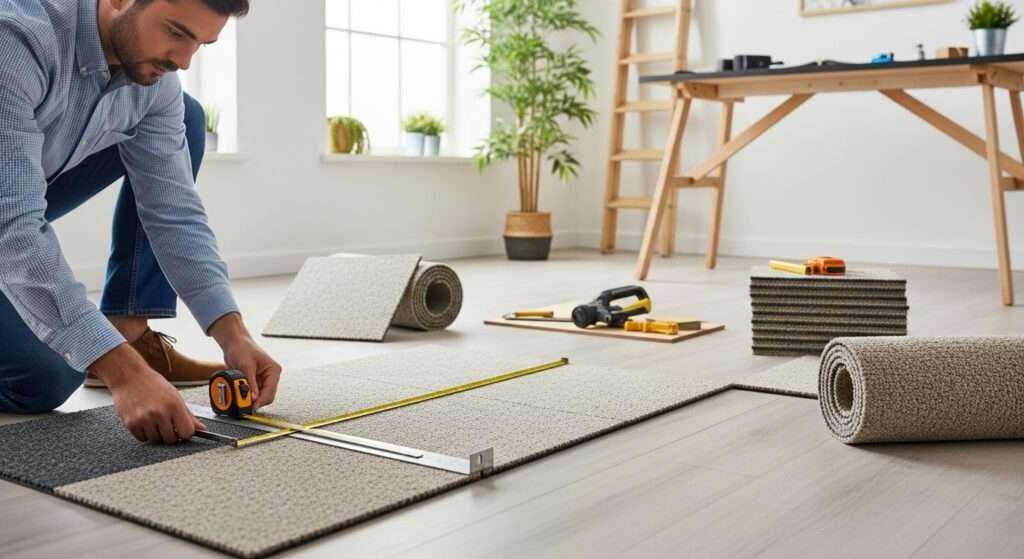
Learning how to install carpet tiles properly ensures a durable, professional finish in both residential and commercial spaces. Carpet tiles are modular squares of broadloom carpet designed for flexible layouts, easy replacement, and efficient installation. Unlike traditional wall-to-wall carpet, they can be fitted using glue down carpet tiles or peel-and-stick systems, depending on the environment.
This carpet tile installation guide explains each stage clearly, from preparing the subfloor to selecting the right carpet tile layout patterns. Whether you are installing carpet tiles on concrete or a sealed wooden subfloor, correct planning is essential. With the right tools, accurate measurements, and proper adhesive selection, you can achieve a clean, long-lasting result suitable for offices, retail spaces, or home interiors.
Tools and Materials Required
Before starting how to install carpet tiles, gathering the correct tools and materials will ensure a smooth and efficient process. Proper preparation reduces mistakes and helps maintain alignment when following your chosen carpet tile layout patterns. Whether you’re working on a residential room or a commercial project, using professional-grade equipment improves accuracy and durability.
For projects involving glue down carpet tiles, selecting the correct adhesive is especially important. If you are installing carpet tiles on concrete, moisture testing and sealing materials may also be required. Having everything prepared in advance allows you to focus fully on installation without delays.
Essential Tools
You will need a tape measure, chalk line, sharp utility knife, metal straightedge, and framing square. These tools help maintain accurate cuts and ensure the layout remains square.
Adhesives and Accessories
Depending on your method, use pressure-sensitive adhesive, peel-and-stick backing, or tackifier glue. Keep a roller, gloves, and cleaning supplies ready for safe and secure installation.
Preparing the Subfloor Properly
A critical step in how to install carpet tiles is ensuring the subfloor is clean, dry, level, and structurally sound. Any imperfections beneath the surface can affect alignment and cause visible unevenness after installation. Whether you are working in an office or a residential setting, proper preparation directly impacts the longevity of your flooring. If you are installing carpet tiles on concrete, moisture testing is essential to prevent adhesive failure. For wooden subfloors, sanding and sealing may be required to create a stable surface.
A well-prepared base ensures strong bonding when using glue down carpet tiles and improves the overall performance of the flooring system. Remove debris, dust, grease, and old adhesive residue. Use floor levelling compound to fill cracks or dips that could affect tile placement. Concrete floors should be tested for moisture levels and sealed where necessary. Maintaining proper humidity prevents long-term installation issues.
Planning Carpet Tile Layout Patterns
An important part of how to install carpet tiles is planning the layout before applying adhesive. Proper positioning ensures balanced edges, consistent seams, and a professional finish. Most installers begin from the centre of the room, using a chalk line to create perpendicular guidelines. This method keeps tiles square and evenly distributed toward the walls. Choosing the right carpet tile layout patterns can also enhance visual appeal and reduce noticeable seams.
Conducting a dry run before fixing tiles helps confirm alignment and pattern flow. Careful planning prevents awkward, narrow cuts at the perimeter and ensures a symmetrical result across the entire space. A monolithic pattern keeps all tiles facing the same direction for a seamless look. A quarter turn pattern rotates each tile 90 degrees, adding subtle texture variation. The brick pattern offsets tiles by half their width, while ashlar layouts create a staggered effect ideal for commercial interiors.
How to Install Glue Down Carpet Tiles?
Understanding how to install carpet tiles using a permanent method is essential for high-traffic commercial environments. The glue down carpet tiles system provides maximum stability, making it ideal for offices, retail stores, and areas with castor chairs. Always follow manufacturer instructions regarding adhesive open time and spread rate to ensure strong bonding.
Begin at the centre point marked how to install carpet tiles during layout planning and work outward in sections. Apply adhesive evenly using a trowel or roller, covering only the area you can complete within the recommended time. Proper technique prevents tiles from shifting and ensures long-term durability. Spread a pressure-sensitive adhesive evenly across one quadrant. Allow it to reach the correct tack level before placing tiles into position. Slide each tile into place rather than dropping it from above. Keep seams tight but avoid compressing the tiles, which can cause peaking.
Loose Lay and Peel-and-Stick Installation
Another common method in how to install carpet tiles is the loose lay or peel-and-stick system. This approach is popular for residential spaces, temporary installations, or areas where flexibility is required. Unlike permanent systems, loose lay tiles rely on weight, friction, or connector tabs to stay in place, making replacement easier if damage occurs. Peel-and-stick options come with pre-applied adhesive backing, simplifying the process for quicker installation. While this method is easier than glue down carpet tiles, proper alignment and secure placement are still essential to prevent movement.
It is especially useful when following detailed how to install carpet tiles and layout patterns in smaller rooms. Remove the protective backing carefully and align the tile with your chalk guidelines before pressing firmly into place. In loose lay installations, ensure tiles are tightly fitted wall-to-wall or stabilised using furniture to prevent shifting over time.
Installing Carpet Tiles on Concrete
A key consideration in how to install carpet tiles is working with concrete subfloors. Installing carpet tiles on concrete requires careful preparation to ensure proper adhesion and long-term durability. Concrete is naturally porous and can retain moisture, so testing for dampness is essential before applying any adhesive. High moisture levels can weaken bonding and cause tiles to lift over time. Before installation, clean the surface thoroughly and remove dust, oil, or old adhesive residue. If required, apply a suitable concrete sealer to stabilise the surface.
This preparation is especially important when using glue down carpet tiles in commercial environments where heavy foot traffic is expected. Use a moisture meter or conduct a surface test to confirm humidity levels are within manufacturer guidelines before proceeding. Apply a compatible primer or concrete sealer where necessary to improve adhesion and protect the subfloor from long-term damage.
Cutting Carpet Tiles Accurately
An important step in how to install carpet tiles is making clean and precise cuts around walls, corners, and obstacles. Even with careful layout planning, perimeter areas will usually require trimming to achieve a perfect fit. Accurate cutting ensures tight seams, professional edges, and minimal visible gaps. Always measure twice before cutting, especially when working around door frames or columns. A sharp utility knife and metal straightedge will help you maintain straight, clean lines.
When following complex how to install carpet tiles layout patterns, precise cuts are essential to preserve design flow and alignment. Turn the tile upside down and mark the measurement on the backing. Score along a straightedge using light, controlled passes for cleaner results. For pipes or irregular shapes, create a template using cardboard first. This reduces waste and ensures accurate shaping before trimming the tile.
Post-Installation Care and Maintenance
After completing how to install carpet tiles, proper aftercare is essential to protect your investment. Newly installed tiles should not be exposed to heavy furniture or foot traffic until the adhesives have fully cured. Maintaining stable room temperature and humidity levels during the first 48–72 hours helps prevent shifting or adhesive failure. Regular maintenance ensures long-term durability, especially in commercial settings. Whether using glue down carpet tiles or peel-and-stick systems, routine cleaning keeps seams tight and surfaces looking professional.
Implementing a structured care plan extends the lifespan of the flooring and maintains performance in high-traffic areas. Avoid dragging furniture across the surface. Use protective boards or dollies when moving heavy items to prevent seam separation. Vacuum regularly to remove dirt and debris. Spot-clean spills immediately and schedule periodic deep cleaning to preserve the fibre’s appearance.
Benefits of Carpet Tile Installation
Understanding how to install carpet tiles highlights why this flooring solution is widely chosen for both commercial and residential spaces. Carpet tiles offer flexibility, durability, and design freedom that traditional broadloom carpet cannot always provide. Their modular format allows for easy replacement if a section becomes damaged, reducing long-term maintenance costs.
From creative carpet tile layout patterns to efficiently installing carpet tiles on concrete, the system adapts to various environments. Businesses particularly benefit from the ability to replace individual tiles without disrupting the entire floor. Proper installation also enhances acoustic comfort and insulation within busy interiors. Individual tiles can be removed and replaced quickly without lifting the entire floor, making them ideal for high-traffic areas. With multiple colours and patterns available, carpet tiles allow creative layouts while maintaining professional aesthetics.
Common Installation Mistakes to Avoid
Even when learning how to install carpet tiles, small mistakes can affect durability and appearance. One of the most common issues is failing to properly prepare the subfloor. Dust, moisture, or uneven surfaces can weaken adhesion and cause tiles to lift or shift over time. Skipping layout planning may also result in uneven edges or narrow perimeter cuts.
Another frequent error involves incorrect adhesive use, particularly with glue down carpet tiles. Applying too much or too little adhesive can compromise bonding. Ignoring manufacturer guidance when installing carpet tiles on concrete may also lead to moisture-related problems. Not cleaning or levelling the surface can cause visible irregularities and long-term adhesion failure. Failing to follow planned carpet tile layout patterns may create inconsistent seams and disrupt the overall visual flow.
Why Choose Selby Contract Flooring?
If you’re researching how to install carpet tiles for a commercial or residential project, professional expertise ensures the best results. At Selby Contract Flooring, we specialise in supplying and fitting high-quality carpet tile systems across London and the wider UK. Our experienced installers follow a detailed carpet tile installation guide to guarantee precision, durability, and compliance with safety standards.
From selecting the right carpet tile layout patterns to completing professional glue down carpet tiles installations, we tailor each project to your environment. Whether you are installing carpet tiles on concrete or a raised access floor, we ensure accurate preparation and flawless execution. We assess traffic flow, subfloor conditions, and design requirements to create a layout that balances performance and aesthetics. Our team uses industry-approved adhesives and installation methods to deliver long-lasting, high-performance flooring solutions.
Conclusion
By following the correct steps for how to install carpet tiles, you can achieve a durable, professional, and visually consistent flooring result. From preparing the subfloor and planning accurate carpet tile layout patterns to selecting between peel-and-stick or glue down carpet tiles, each stage plays a vital role in long-term performance. Careful preparation is especially important when installing carpet tiles on concrete, as moisture control directly affects adhesion and stability. Carpet tiles remain a practical solution for both commercial and residential spaces due to their modular flexibility and ease of maintenance. When installed correctly, they provide excellent durability, acoustic comfort, and design versatility. For guaranteed results, professional installation ensures precision, compliance, and a flawless finish that enhances your interior environment for years to come.
FAQs About Carpet Tile Installation
How to install carpet tiles correctly?
To understand how to install carpet tiles, begin with proper subfloor preparation, mark centre guidelines, choose suitable carpet tile layout patterns, and follow either a peel-and-stick or glue down carpet tiles method based on the environment.
Can I install carpet tiles on concrete?
Yes, installing carpet tiles on concrete is common, but moisture testing and sealing are essential before applying adhesive to ensure long-term durability.
Do carpet tiles need underlay?
In most commercial applications, underlay is not required. Carpet tiles are designed to sit directly on a prepared subfloor.
Are carpet tiles suitable for offices?
Yes, carpet tiles are ideal for offices due to their durability, modular replacement benefits, and acoustic performance.