
Everything You Need to Know About what is LVT Flooring
February 28, 2026
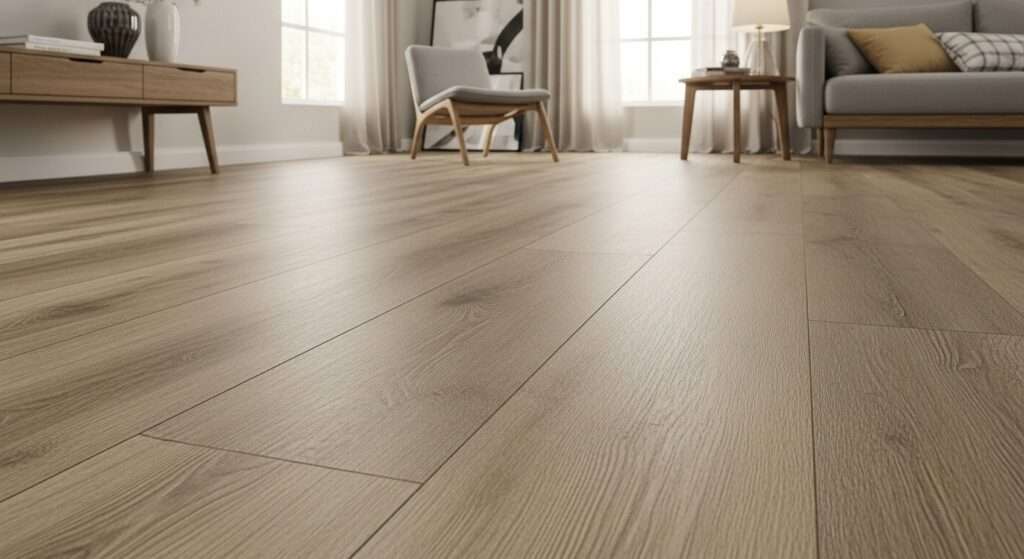
What is LVT flooring? If you’ve been researching modern commercial and residential surfaces, you’ve likely come across this term. LVT stands for Luxury Vinyl Tiles, a high-performance flooring solution made primarily from layered PVC (Polyvinyl Chloride) materials. Unlike traditional sheet vinyl, LVT flooring comes in individual planks or tiles designed to replicate natural materials such as hardwood, stone, or ceramic with impressive realism.
In the UK market, what is LVT flooring UK searches continue to rise because businesses and homeowners want durable, waterproof alternatives to laminate and solid wood. Thanks to advanced printing technology and protective wear layers, Luxury Vinyl Tiles combine style with resilience. Whether installed in offices, retail spaces, or kitchens, LVT offers a practical and visually appealing flooring option built for modern environments.
What Is LVT Flooring Made Of?
To fully understand what is LVT flooring, it helps to look at its layered construction. Luxury Vinyl Tiles (LVT) are built using multiple compressed layers of PVC vinyl, each serving a specific purpose. The base layer provides structural stability, while the core, often SPC (Stone Plastic Composite) or rigid vinyl, adds strength and impact resistance. Above this sits a high-resolution photographic layer that replicates natural wood, stone, or tile textures with remarkable realism.
A transparent wear layer, typically ranging from 0.3mm to 0.7mm in commercial grades, protects the surface from scratches, stains, and daily wear. Many manufacturers also apply a urethane coating for added durability and easier maintenance. Some modern UK products incorporate recycled materials or cork backing for acoustic benefits, making LVT both practical and increasingly sustainable.
Why Is LVT Flooring So Thin?
When asking what is LVT flooring, many people are surprised by how slim the planks or tiles feel. Most Luxury Vinyl Tiles (LVT) range between 2mm and 8mm thick, which is noticeably thinner than traditional laminate flooring or engineered wood. However, thickness does not equal weakness. Thanks to its high-density PVC core and compressed construction, LVT delivers exceptional strength despite its low profile.
Commercial-grade products often include thicker wear layers rather than bulkier cores, ensuring durability where it matters most. This thin structure makes LVT ideal for renovation projects across the UK, as it reduces the need to adjust doors, skirting boards, or thresholds. In high-traffic commercial settings, the dense composition ensures performance without unnecessary height build-up, offering both practicality and long-term reliability.
Types of LVT Flooring Available in the UK
When exploring what is LVT flooring, it’s important to understand the different installation formats and structural variations available in the UK. Each type offers specific benefits depending on the environment, traffic levels, and subfloor conditions. From commercial premises to residential homes, choosing the correct format ensures durability, stability, and ease of maintenance. Below are the main types of LVT flooring commonly used across the UK market.
Glue Down LVT
Glue-down LVT is fixed directly to the subfloor using a specialist adhesive. It provides maximum stability, making it ideal for high-traffic commercial areas. This format reduces movement and handles heavy loads effectively. It is widely used in retail, healthcare, and office environments.
Click LVT
Click LVT features an interlocking system similar to laminate flooring. The planks connect without adhesive, allowing quicker and cleaner installation. It is popular in residential properties due to the ease of fitting. This system also simplifies plank replacement if damage occurs.
Loose Lay LVT
Loose lay LVT relies on weight and friction rather than full adhesive coverage. It is ideal for temporary installations or spaces requiring flexibility. Minimal adhesive is used around edges for stability. This option allows easy removal and repositioning when needed.
SPC Rigid Core LVT
SPC (Stone Plastic Composite) LVT includes a rigid core for added strength and dimensional stability. It performs well in areas with temperature fluctuations. The dense core enhances durability and impact resistance. SPC is increasingly popular in both commercial and modern residential settings.
Design and Pattern Options
LVT is available in a wide range of designs, from realistic oak planks to stone and herringbone styles. Advanced printing technology creates authentic textures and finishes. This versatility makes LVT suitable for offices, hospitality venues, and contemporary homes across the UK.
How to Fit LVT Flooring Properly?
If you’re researching what is LVT flooring, installation is a key part of its performance. For expert LVT installation, check our Flooring Services to ensure your floor performs perfectly. Proper fitting begins with thorough subfloor preparation. The surface must be clean, dry, and perfectly level to prevent movement or imperfections showing through the finished floor. In commercial UK projects, moisture testing is essential before installation.
There are two main methods when considering how to fit LVT flooring. Glue-down LVT is adhered using specialist flooring adhesives, offering maximum stability for high-traffic areas such as offices and retail spaces. Click LVT uses a locking system that allows planks to float above the subfloor, speeding up installation. Professional contract flooring installers ensure expansion gaps, correct adhesive curing, and precise cutting, guaranteeing long-term durability and a flawless finish.
Where Is LVT Flooring Used?
When exploring what is LVT flooring, it’s important to understand where it performs best. Thanks to its layered PVC construction and protective wear layer, Luxury Vinyl Tiles (LVT) are widely used in both commercial and residential environments across the UK. Offices, retail stores, restaurants, healthcare facilities, and educational buildings frequently choose LVT for its durability and low maintenance requirements.
Because LVT is highly moisture-resistant, it is also ideal for kitchens, bathrooms, and staff welfare areas where water exposure is common. In high-traffic commercial zones such as salons, gyms, and hospitality venues, its scratch resistance and acoustic comfort make it a practical solution. The versatility of modern designs, ranging from oak-effect planks to stone finishes, means LVT delivers both performance and professional aesthetics in demanding spaces.
Benefits of LVT Flooring for Commercial Spaces
To fully understand what is LVT flooring, it’s important to consider its performance in commercial environments. Luxury Vinyl Tiles (LVT) are engineered for durability, practicality, and visual appeal. They are specifically designed to withstand heavy daily use while maintaining a professional finish. From offices to hospitality venues, LVT provides a balance of strength, comfort, and low maintenance. Below are the key benefits for commercial spaces.
High Durability and Wear Resistance
LVT features a strong protective wear layer that resists scratches, stains, and scuffs. This makes it ideal for high-traffic areas such as offices and retail stores. The surface maintains its appearance even under constant use. Long-term durability reduces replacement costs.
Waterproof Performance
One of the standout benefits of LVT is its waterproof construction. It can be safely installed in kitchens, washrooms, and entrance areas. Moisture exposure does not cause swelling like laminate or hardwood. This makes it a practical choice for commercial settings.
Acoustic and Underfoot Comfort
LVT helps reduce noise levels in busy workplaces. Its flexible structure absorbs sound better than many hard surfaces. It also provides a softer, warmer feel underfoot. This improves comfort for both employees and customers.
Easy Maintenance and Cleaning
LVT flooring requires minimal upkeep compared to traditional materials. Routine sweeping and damp mopping keep it looking professional. It does not require polishing or sealing. Low maintenance reduces operational downtime.
Fast Installation and Design Flexibility
What is LVT flooring system allow quick installation with minimal disruption. Options like click or loose lay simplify fitting. A wide range of designs, from wood to stone effects, supports branding and interior themes. This flexibility enhances overall commercial aesthetics.
LVT vs Laminate vs Hardwood
When comparing options, understanding what is LVT flooring helps highlight its advantages over traditional materials like laminate flooring and hardwood. While laminate offers a wood-like appearance, it is not fully waterproof and can swell if exposed to moisture. Solid or engineered hardwood delivers natural beauty but requires higher maintenance and is more vulnerable to scratches and water damage.
In contrast, what is LVT flooring provides excellent water resistance, making it suitable for kitchens, bathrooms, and commercial environments. LVT also offers greater impact resistance and easier maintenance compared to hardwood. Installation flexibility is another advantage, with both glue-down and click systems available. For UK businesses seeking durability, cost efficiency, and realistic design finishes, LVT often delivers a balanced solution that combines practicality with modern aesthetics.
Is LVT Flooring Sustainable?
When considering what is LVT flooring, sustainability is becoming an increasingly important factor for UK businesses and property owners. Modern Luxury Vinyl Tiles (LVT) are now produced using improved manufacturing processes that reduce waste and energy consumption. Many manufacturers incorporate recycled PVC materials and develop low-VOC products to support healthier indoor environments.
Rigid core options such as SPC (Stone Plastic Composite) are engineered for long lifespan performance, which reduces the need for frequent replacement. Some products also include recycled backing layers or acoustic underlays that enhance environmental efficiency. Because LVT is highly durable and resistant to moisture damage, it often lasts longer than traditional flooring types in commercial settings. This extended lifecycle, combined with lower maintenance requirements, contributes to reduced overall material consumption and long-term sustainability benefits.
How Much Does LVT Flooring Cost in the UK?
When researching what is LVT flooring, cost is often a key consideration for commercial projects. In the UK, Luxury Vinyl Tiles (LVT) typically range from £20 to £50 per square metre for supply only, depending on the brand, thickness, and wear layer specification. Commercial-grade products with thicker protective layers or SPC rigid core construction may sit at the higher end of this range. To get a detailed quote and understand full costs including installation, visit our Services page.
Installation costs of what is LVT flooring vary based on whether you choose glue-down LVT or a click system, as well as the condition of the subfloor. Proper preparation, including levelling compounds and moisture control, can influence overall project pricing. While hardwood flooring may carry a higher upfront cost, LVT offers a strong balance between affordability, durability, and long-term maintenance savings, making it a cost-effective solution for UK commercial environments.
How to Maintain LVT Flooring?
After understanding what is LVT flooring, proper maintenance ensures it performs at its best for years. Luxury Vinyl Tiles (LVT) are known for being low maintenance, making them ideal for busy commercial environments across the UK. Daily care typically involves sweeping or vacuuming to remove dust and grit that could cause surface abrasion.
For deeper cleaning, a damp mop with a pH-neutral cleaner designed for vinyl floors is recommended. Harsh chemicals or abrasive tools should be avoided, as they may damage the protective wear layer. In high-traffic commercial settings, implementing a regular cleaning schedule helps preserve the floor’s appearance and extend its lifespan. Thanks to its durable urethane coating and water resistance, LVT requires significantly less upkeep compared to hardwood or laminate flooring.
Why Choose Selby Contract Flooring?
If you’re exploring what is LVT flooring and planning a commercial installation, choosing the right contractor is just as important as selecting the material. At Selby Contract Flooring, we specialise in the professional supply and installation of Luxury Vinyl Tiles (LVT) across London and the wider UK. Our team understands the technical requirements of commercial environments, from precise subfloor preparation to expert fitting of glue-down LVT and rigid core systems.
We work with high-quality manufacturers to deliver durable, stylish flooring solutions tailored to offices, retail units, hospitality venues, and healthcare settings. Our approach focuses on minimal disruption, efficient project management, and long-lasting results. With expert guidance, competitive pricing, and reliable aftercare, Selby Contract Flooring ensures your LVT installation meets both performance and aesthetic expectations.
Conclusion
Now that you understand what is LVT flooring, it’s clear why Luxury Vinyl Tiles (LVT) have become one of the most popular flooring solutions in the UK. Combining durability, water resistance, and realistic design finishes, LVT offers a practical alternative to laminate flooring and hardwood in both commercial and residential environments. Its multi-layered PVC construction, protective wear layer, and flexible installation options make it suitable for high-traffic and moisture-prone spaces. From offices and retail stores to healthcare and hospitality settings, LVT delivers long-term performance with minimal maintenance. When professionally installed, it provides stability, comfort underfoot, and excellent value over time. If you’re considering upgrading your flooring, understanding what is LVT flooring is the first step toward choosing a reliable, stylish, and cost-effective solution for modern spaces.
FAQs About LVT Flooring
What is LVT flooring?
Luxury Vinyl Tiles (LVT) are multi-layered PVC flooring products designed to replicate wood or stone while offering superior durability and water resistance.
What does LVT stand for?
LVT stands for Luxury Vinyl Tiles, a modern alternative to laminate and hardwood flooring widely used in UK commercial spaces.
Is LVT flooring waterproof?
Yes, most LVT products are highly water-resistant, making them ideal for kitchens, bathrooms, and high-moisture commercial areas.
How long does LVT flooring last?
With professional installation and proper maintenance, commercial-grade LVT can last 10–20 years or more, depending on foot traffic levels.
Can LVT be used in commercial properties?
Absolutely. Thanks to its strong wear layer and impact resistance, LVT is frequently installed in offices, retail stores, hospitality venues, and healthcare facilities.