
What Is Parquet Flooring: Explore the Parquet Flooring
February 28, 2026
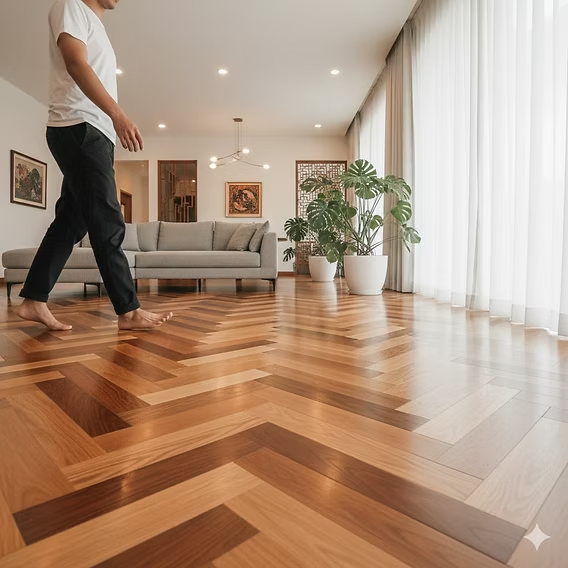
Many property owners ask, what is parquet flooring, and why has it remained popular for centuries? Simply put, parquet flooring is a decorative wood floor created by arranging small wooden blocks into repeating geometric designs. Unlike traditional straight planks, this flooring style focuses on pattern and visual impact, often using precise layouts such as herringbone parquet flooring or chevron designs.
Understanding what is parquet flooring also means recognising its material options. It can be crafted from solid wood parquet blocks or produced as engineered panels for improved stability. Originally associated with grand European interiors, parquet now features in both modern homes and commercial spaces across the UK. Its structured layout, natural timber finish, and distinctive parquet flooring patterns make it a timeless yet versatile flooring choice.
History of Parquet Flooring
To fully appreciate what is parquet flooring, it helps to understand its rich heritage. Parquet first emerged in 16th-century France during the Renaissance, where skilled craftsmen arranged solid wood parquet blocks into intricate geometric layouts. The word “parquet” comes from the French term meaning “little compartments,” referring to the small wooden sections fitted together to create detailed designs.
One of the most famous early examples can be found in the Palace of Versailles, where elaborate patterns replaced high-maintenance marble floors. From there, parquet became a symbol of luxury and architectural sophistication across Europe. Although its popularity declined during the mid-20th century when carpets and vinyl became common, parquet has experienced a strong revival. Today, understanding what is parquet flooring includes recognising both its historical elegance and its relevance in modern UK interiors.
What Is Parquet Flooring Made Of?
When asking what is parquet flooring, it’s essential to look at its construction and materials. Traditionally, parquet is crafted from solid wood parquet blocks, typically oak, walnut, maple, or other durable hardwoods. These small timber pieces are cut precisely and arranged into detailed parquet flooring patterns that create striking geometric designs. Modern options also include engineered parquet, which features a real hardwood veneer bonded to a stable plywood or HDF core.
This layered construction improves resistance to humidity and temperature changes, making it more suitable for UK conditions. When comparing parquet vs engineered wood, solid wood offers deeper refinishing potential, while engineered parquet provides enhanced structural stability. Understanding what is parquet flooring therefore means recognising both traditional solid block construction and contemporary engineered alternatives designed for performance and longevity.
Popular Parquet Flooring Patterns
A key part of understanding what is parquet flooring lies in its distinctive geometric layouts. Unlike standard plank installations, parquet focuses on pattern and visual movement. Different parquet flooring patterns can dramatically influence how a room feels, making spaces appear larger, more formal, or more contemporary.
Herringbone Parquet Flooring
One of the most recognised styles is herringbone parquet flooring, where rectangular blocks are laid in a zigzag formation at 90-degree angles. This design adds depth and flow, making hallways and living rooms feel more spacious. Chevron parquet uses angled blocks cut at 45 degrees to form a continuous V-shape. It creates a cleaner, more streamlined aesthetic compared to herringbone.
Basketweave and Versailles
More decorative layouts such as basketweave and Versailles patterns offer intricate, interwoven designs suited to luxury interiors and statement spaces.
Benefits of Parquet Flooring
When exploring what is parquet flooring, its advantages quickly become clear. Parquet offers more than just visual appeal; it combines durability, craftsmanship, and long-term value. Whether installed in residential or commercial spaces, parquet creates a strong design statement while maintaining practical performance.
Timeless Visual Appeal
One of the main benefits is its distinctive geometric layout. Classic parquet flooring patterns such as herringbone parquet flooring bring elegance and movement to a room, making interiors feel refined and structured.
Durability and Longevity
High-quality solid wood parquet blocks are built to last for decades. With proper care, they can be sanded and refinished multiple times, extending their lifespan significantly. Because of its craftsmanship and premium appearance, parquet flooring can enhance a property’s perceived value, making it attractive to buyers seeking timeless wood interiors.
Parquet vs Engineered Wood
When evaluating what is parquet flooring, many property owners compare parquet vs engineered wood to determine which option suits their needs. While both can deliver a real wood surface, their structure and performance differ significantly. Traditional parquet is often made from solid wood parquet blocks, offering deep sanding potential and long-term durability. However, solid wood is more sensitive to moisture and temperature fluctuations, which can cause expansion or contraction.
In contrast, engineered parquet features a hardwood veneer bonded to a stable plywood or HDF core. This layered design improves resistance to humidity and makes it more compatible with underfloor heating systems. Understanding what parquet flooring is in this comparison highlights the trade-off: solid parquet provides authenticity and refinishing depth, while engineered parquet offers enhanced stability and easier installation for modern UK environments.
How to Lay Parquet Flooring?
Once you understand what is parquet flooring, proper installation becomes essential for long-term performance. Learning how to lay parquet flooring requires precision, planning, and careful subfloor preparation. Because parquet relies on geometric alignment, even small errors can disrupt the final pattern.
Subfloor Preparation
The subfloor must be clean, dry, and level before installation. Moisture testing is crucial, particularly when fitting solid wood parquet blocks, as excess humidity can cause movement after fitting.
Glue-Down Installation
Most parquet floors are installed using a full adhesive bond to the subfloor. This method provides stability and reduces movement, especially in patterned layouts such as herringbone parquet flooring.
Acclimatisation
Before fitting, boards should acclimatise to room conditions for at least 48 hours. This step reduces expansion and contraction after installation, ensuring the pattern remains secure and aligned.
Maintenance and Refinishing
Understanding what is parquet flooring also involves knowing how to care for it properly. With correct maintenance, parquet can last for decades while retaining its distinctive character. Because it is made from real timber, routine cleaning and periodic refinishing are essential to protect the surface. Regular sweeping or vacuuming helps prevent grit from scratching the wood. A lightly damp mop with a wood-safe cleaner can maintain appearance without exposing the floor to excess moisture.
Harsh chemicals and excessive water should always be avoided. One advantage of solid wood parquet blocks is the ability to sand and refinish the surface multiple times. However, refinishing parquet can be more complex than standard planks because grain directions vary within the pattern. Careful sanding ensures the surface remains smooth without damaging intricate parquet flooring patterns.
Where to Use Parquet Flooring?
When considering what is parquet flooring, it’s important to understand where it performs best. Parquet is ideal for spaces that benefit from visual impact and structured design. In residential settings, it works beautifully in living rooms, dining areas, bedrooms, and hallways where patterns such as herringbone parquet flooring can create depth and elegance. In commercial environments, parquet adds a premium finish to offices, boutiques, hospitality venues, and reception areas.
Its geometric structure enhances professional interiors while maintaining durability under moderate foot traffic. Engineered parquet options are particularly suitable where underfloor heating is present. However, despite understanding what parquet flooring is, it should not be installed in bathrooms or consistently damp environments. Excess moisture can damage solid wood parquet blocks, leading to warping or movement over time.
Is Parquet Flooring Right for You?
After learning what is parquet flooring, the final step is deciding whether it fits your space and lifestyle. Parquet is ideal for homeowners and businesses seeking a distinctive wood finish that adds character and architectural interest. Its structured designs, including classic parquet flooring patterns like herringbone parquet flooring, create a premium aesthetic that stands out from traditional plank layouts. If you value craftsmanship and long-term durability, solid wood parquet blocks offer excellent refinishing potential and timeless appeal.
For areas with underfloor heating or mild humidity fluctuations, engineered parquet provides greater stability while maintaining the same visual effect. However, parquet requires careful installation and ongoing maintenance. If you prefer a low-maintenance or waterproof solution, alternatives may be more suitable. Understanding what parquet flooring is ensures you choose confidently based on performance, style, and environment.
Conclusion
By now, you should have a clear understanding of what parquet flooring is and why it continues to be a sought-after choice across the UK. Combining craftsmanship with geometric precision, parquet delivers a distinctive aesthetic that elevates both residential and commercial interiors. From classic herringbone parquet flooring to intricate Versailles layouts, its patterns add movement and architectural character to any space. Whether crafted from solid wood parquet blocks or engineered construction, parquet offers durability, longevity, and the ability to refinish when properly maintained.
While it requires careful installation and is not suited to high-moisture areas, its timeless appeal and property-enhancing value make it a strong long-term investment. Understanding what parquet flooring is allows you to choose a solution that balances style, performance, and heritage, bringing elegance and structure to modern interiors.
Faqs
1. What is parquet flooring made from?
If you’re wondering what parquet flooring is, it is typically made from small wooden blocks arranged in geometric designs. Traditional options use solid wood parquet blocks, while modern versions may feature engineered construction with a hardwood veneer over a stable core.
2. Is herringbone parquet flooring real wood?
Yes, herringbone parquet flooring can be made from real wood. It is commonly available in both solid hardwood and engineered formats. Solid wood offers deeper refinishing potential, while engineered options provide greater stability.
3. How to lay parquet flooring correctly?
Learning how to lay parquet flooring involves preparing a clean, dry, level subfloor and carefully aligning the chosen pattern. Most installations use a full glue-down method to ensure stability and maintain precise geometric alignment.
4. What is the difference between parquet and engineered wood?
When comparing parquet vs engineered wood, parquet refers to the patterned block layout, while engineered wood refers to layered board construction. Parquet can be solid or engineered, whereas engineered wood planks are typically straight boards.
5. Are parquet flooring patterns suitable for modern homes?
Absolutely. Modern parquet flooring patterns such as chevron and herringbone are widely used in contemporary interiors. Lighter finishes and engineered options make parquet suitable for modern residential and commercial spaces.