
What Is Engineered Wood Flooring? Pros and Uses
February 28, 2026
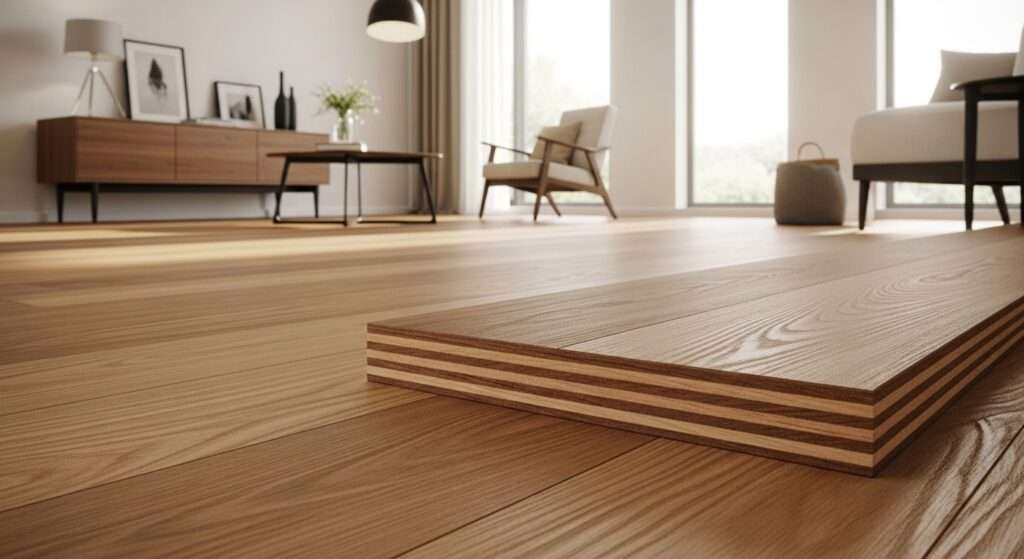
Many property owners ask, what is engineered wood flooring, and how does it differ from traditional hardwood? In simple terms, engineered wood flooring is a layered wood flooring product designed to combine the beauty of real timber with improved structural stability. Unlike solid planks cut from a single piece of wood, this flooring features a genuine hardwood surface bonded to multiple supporting layers beneath.
Understanding what is engineered wood flooring helps explain why it performs so well in UK homes and commercial spaces. The cross-layered base reduces movement caused by temperature and humidity changes, making it far more stable than solid boards. Because of this construction, engineered wood flooring works efficiently over various subfloors and even with underfloor heating systems, offering both style and practical performance.
Engineered Wood Flooring Construction Explained
To fully understand what is engineered wood flooring, it’s important to explore its internal structure. The strength of engineered wood flooring construction lies in its layered design, which combines a real hardwood surface with multiple bonded core layers beneath. This structure enhances durability while maintaining the authentic appearance of natural timber.
Hardwood Wear Layer
The top layer is genuine oak or another hardwood species, giving the floor its character and grain detail. This wear layer can range from 2mm to 6mm or more, allowing sanding and refinishing over time. A thicker surface increases longevity and adds long-term value.
Multi-Layer Core Structure
Beneath the surface sits a cross-bonded plywood or HDF core, often made from poplar or spruce. These layers are arranged in opposing directions to improve stability and reduce expansion. This layered design is what defines layered wood flooring and explains why it performs better than solid boards in changing climates.
Engineered Hardwood vs Solid Wood
When comparing options, many customers researching what is engineered wood flooring also want to understand the difference between engineered hardwood vs solid wood. While both feature a genuine hardwood surface, their construction and performance vary significantly.
Solid wood flooring is cut from a single piece of timber, which makes it more vulnerable to expansion and contraction caused by moisture and temperature changes. In contrast, engineered wood flooring uses a layered core that improves dimensional stability. This makes it more suitable for UK environments where humidity levels fluctuate throughout the year.
Another key difference lies in installation flexibility. Solid wood often requires fixing directly to joists, whereas engineered wood flooring can be floated, glued down, or installed over underfloor heating. This versatility makes it a practical choice for both residential and commercial spaces seeking durability and aesthetic appeal.
Benefits of Engineered Wood Flooring
Understanding what is engineered wood flooring becomes even clearer when you consider its performance advantages. The benefits of engineered wood flooring make it a popular choice for both homes and commercial properties across the UK. Thanks to its advanced layered design, it offers durability, flexibility, and long-term value.
Superior Stability
One of the main strengths of engineered wood flooring is its resistance to warping, cupping, and shrinking. The cross-bonded core structure controls movement caused by moisture fluctuations, making it more stable than solid timber. This stability is especially beneficial in areas with changing temperatures.
Underfloor Heating Compatible
Unlike many traditional hardwood options, engineered wood flooring performs well over underfloor heating systems. When installed correctly and heated gradually, it can withstand temperatures up to 27°C, making it ideal for modern UK interiors.
Sustainable and Efficient
Because only the top layer uses premium hardwood, engineered wood flooring construction reduces overall timber usage. This makes it a more sustainable alternative while still delivering the appearance of solid wood.
How to Lay Engineered Wood Flooring?
Once you understand what is engineered wood flooring, the next step is knowing how to install it correctly. Learning how to lay engineered wood flooring ensures maximum stability, longevity, and visual appeal. Thanks to its layered design, engineered wood flooring offers flexible installation methods suitable for both residential and commercial settings.
Floating Installation (Click System)
The most common method involves a click-lock system where boards connect without nails or glue. This floating installation sits over an underlay and subfloor, making it ideal for quick projects and renovations. It’s a popular option for homeowners and light commercial spaces.
Glue-Down Method
For larger areas or high-traffic environments, adhesive installation provides added stability. This method bonds the boards directly to the subfloor, reducing movement and improving acoustic performance. Some planks feature traditional tongue and groove joints, allowing fixing directly to joists. This approach offers a more permanent installation solution.
Where to Use Engineered Wood Flooring?
After understanding what is engineered wood flooring, it’s important to know where it performs best. Thanks to its stable construction and versatile installation options, engineered wood flooring can be used in a wide range of residential and commercial spaces across the UK. In homes, it works beautifully in living rooms, bedrooms, hallways, and dining areas. Many property owners also install it in kitchens, provided spills are cleaned quickly and a durable lacquered finish is selected.
Unlike solid timber, engineered wood flooring can also be safely installed over underfloor heating systems, making it ideal for modern builds. For commercial settings, this flooring suits offices, retail environments, and hospitality spaces that require a natural aesthetic with reliable performance. However, despite its stability, engineered wood flooring is not recommended for bathrooms or areas with constant moisture exposure.
Finishes and Appearance Options
When exploring what is engineered wood flooring, appearance plays a major role in the decision-making process. One of the key advantages of engineered wood flooring is the wide variety of finishes, grades, and plank styles available. These design options allow homeowners and commercial clients to match flooring with their interior theme. Engineered boards are available in different grades such as Rustic, Nature, and Select. Rustic grades showcase knots and natural grain variation, while Select grades offer a cleaner, more uniform look.
Plank width and length also influence the overall aesthetic, with wider boards creating a modern, open feel. Surface finishes typically include lacquered and oiled options. Lacquered finishes provide a protective topcoat that resists spills and wear, making them suitable for busy areas. Oiled finishes enhance the natural texture but require periodic maintenance to preserve their appearance.
Maintenance and Long-Term Care
Understanding what is engineered wood flooring also means knowing how to maintain it properly. With correct care, engineered wood flooring can last for decades in both residential and commercial environments. The key factor influencing longevity is the thickness of the hardwood wear layer and the type of finish applied. Daily maintenance is simple. Regular sweeping or vacuuming removes dirt that could scratch the surface, while occasional damp mopping with a wood-safe cleaner keeps the floor looking fresh.
Excess water should always be avoided, as moisture can still affect the core layers over time. Floors with a thicker wear layer can be sanded and refinished once or twice during their lifespan, extending their durability. Oiled finishes may require periodic re-oiling, while lacquered surfaces typically need less frequent upkeep but may require full refinishing after heavy wear.
Is Engineered Wood Flooring Right for You?
If you’re still asking what is engineered wood flooring and whether it suits your project, the answer depends on your space, budget, and performance needs. Engineered wood flooring is an excellent choice for those who want the appearance of real hardwood with improved structural stability and installation flexibility. For residential settings, it works well in living areas, bedrooms, hallways, and even kitchens when properly finished. In commercial environments such as offices or retail spaces, its layered construction provides durability while maintaining a professional aesthetic.
Its compatibility with underfloor heating also makes it ideal for modern developments across the UK. However, if your project involves consistently wet areas like bathrooms, alternative moisture-resistant flooring may be more suitable. For most other applications, engineered wood flooring offers a practical balance between performance, style, and long-term value.
Conclusion
By now, you should clearly understand what is engineered wood flooring and why it has become a preferred solution across the UK. Combining a genuine hardwood surface with a stabilising multi-layer core, engineered wood flooring delivers the natural beauty of timber with enhanced strength and flexibility. Compared to solid boards, its layered construction reduces movement caused by moisture and temperature changes, making it suitable for modern homes and commercial spaces.
It supports multiple installation methods, works efficiently with underfloor heating, and offers a wide range of finishes to match different design styles. Whether you are upgrading a residential property or specifying flooring for an office or retail environment, engineered wood flooring provides durability, sustainability, and long-term value. With proper installation and maintenance, it remains a reliable and attractive investment for years to come.
Faqs
1. What is engineered wood flooring made of?
If you’re wondering what is engineered wood flooring, it is made from a real hardwood wear layer bonded to multiple layers of plywood or high-density fibreboard beneath. This layered structure improves stability while maintaining the appearance of solid wood.
2. Is engineered hardwood better than solid wood?
When comparing engineered hardwood vs solid wood, engineered boards offer greater resistance to moisture and temperature changes. While both use real wood on the surface, engineered flooring is generally more stable in UK climates and suitable for underfloor heating.
3. How to lay engineered wood flooring properly?
Learning how to lay engineered wood flooring depends on the installation method. It can be floated using a click system, glued directly to the subfloor, or fixed with tongue and groove joints. Professional installation ensures better long-term performance.
4. What are the benefits of engineered wood flooring?
The main benefits of engineered wood flooring include improved stability, compatibility with underfloor heating, sustainability due to reduced hardwood usage, and the ability to sand and refinish thicker wear layers.
5. Can engineered wood flooring be used in kitchens?
Yes, engineered wood flooring can be used in kitchens if a durable lacquered finish is selected and spills are cleaned quickly. However, it is not recommended for bathrooms or consistently wet areas.